9th Minnesota Volunteer Infantry
August 1862–August 1865
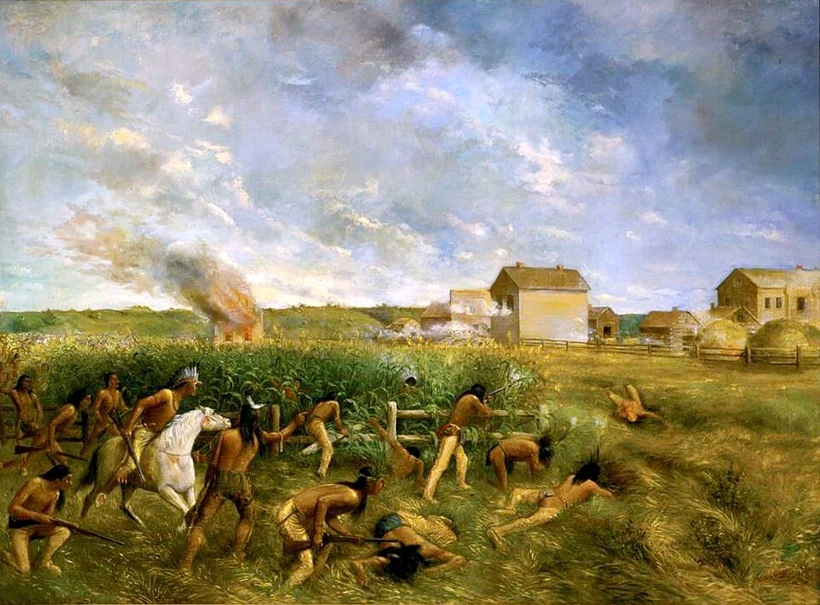
The Ninth’s companies initially served at different posts and under different commands. Company B fought at Acton with civilian volunteers while other companies marched to Fort Ridgely, Wood Lake and Fort Abercrombie.
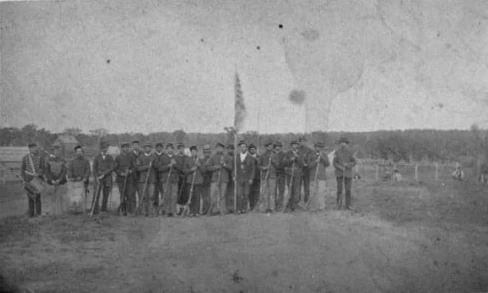
Soldiers of Company G, Ninth Minnesota Volunteer Infantry, circa 1862.
Minnesota Historical Society. Company G photograph, circa 1862. Public domain. Print margin cropped. · Public domainHistory
Separate companies and changing designations
Minnesota assigned companies before the Ninth was formally announced on September 18, 1862. Eight companies, including Richard Strout’s, had provisionally been designated for the Tenth, and two for the Eleventh. The Ninth’s state narrative, the muster rolls, and the battle reports may therefore name the same men differently.
A and C in the Minnesota River valley
George Camp’s Company A joined the Sixth near Jordan, went to Fort Ridgely and served in the Wood Lake expedition as pioneers. The Birch Coulee casualty list names men from Company A. Henry Rogers’s Company C went through New Ulm toward Sibley’s column. The Ninth’s history credits C with Wood Lake and places its formal attachment to the Seventh at Camp Release. Sibley’s dispatch records that he was awaiting Rogers, so the company’s precise role in the battle remains uncertain.
B at Acton and G on the Red River
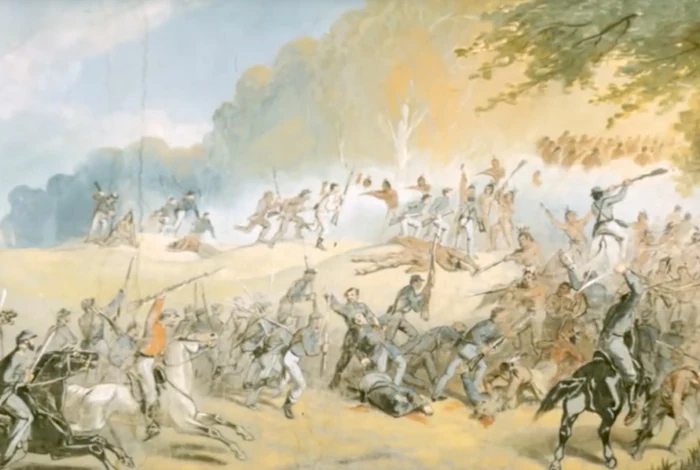
Strout’s soldiers and attached civilians fought near Long Lake on September 3 and withdrew to Hutchinson. The state lists Neil McNeil separately among the civilians and Congress recorded his wounding. Company B formally mustered on November 10. Captain Theodore H. Barrett’s recruits from the St. Cloud area served on the Red River and later mustered as Company G.
Other posts and the 1863 expedition
Companies D and E served around St. Peter, Mankato, Lake Crystal and Judson. F served at Glencoe and Fort Ridgely. H helped relieve Hutchinson and later joined Sibley’s 1863 expedition, as did A. I served at Glencoe, St. Peter, and Fort Ridgely. K went from Fort Snelling to prisoner guard and frontier duty. The state regimental narrative records detachments on duty during the Mankato executions.
Civil War service in the West
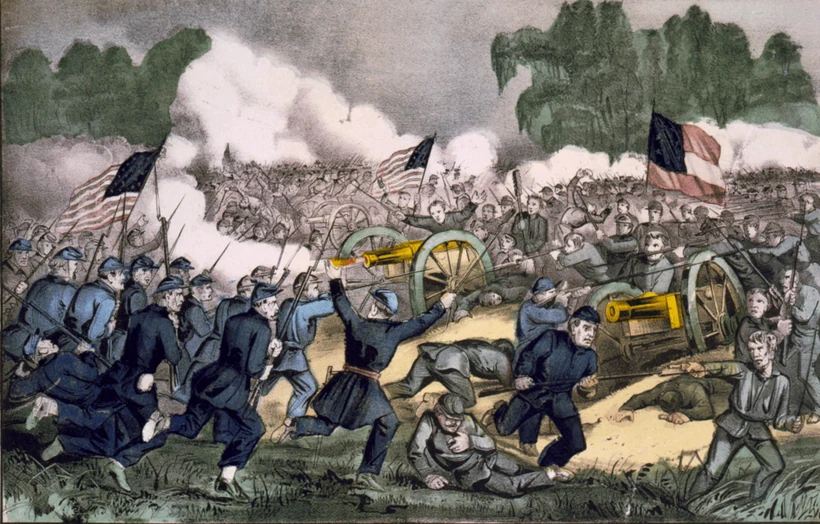
The companies moved south in fall 1863. The Ninth guarded railroads in Missouri, fought at Brice’s Cross Roads and Tupelo in Mississippi, pursued Sterling Price’s forces, and joined the Union offensive at Nashville. The regiment also fought at Fort Blakely near Mobile. It mustered out in August 1865.
Timeline
August–September 1862Companies A and C in the valley
A joined the Sixth en route to Ridgely. C went through New Ulm toward Sibley’s force.
September 3–4Company B at Acton and Hutchinson
Strout’s force included soldiers and attached civilians. It fought at Acton and withdrew to Hutchinson.
September 1862Company G at Fort Abercrombie
Barrett’s command took part in the defense of the Red River post.
September 18The Ninth’s designation announced
Strout’s and seven other companies had been provisionally associated with the Tenth.
Summer 1863Companies A and H move west
A and H served in the expedition led by Sibley into Dakota Territory.
Sibley’s Dakota Territory expeditionView Sibley’s 1863 route in Dakota Territory
June–July 1864Brice’s Cross Roads and Tupelo
The Ninth fought in Mississippi. Colonel Alexander Wilkin was killed at Tupelo.
December 15–16, 1864Nashville
The regiment fought against the Confederate Army of Tennessee.
April–August 1865Fort Blakely and muster-out
The Ninth fought at Fort Blakely and served on occupation duty before returning to Minnesota.
Images and records
Photograph9th Minnesota Volunteer Infantry
Soldiers of Company G, Ninth Minnesota Volunteer Infantry, circa 1862.
Minnesota Historical Society. Company G photograph, circa 1862. Public domain. Print margin cropped. · Public domain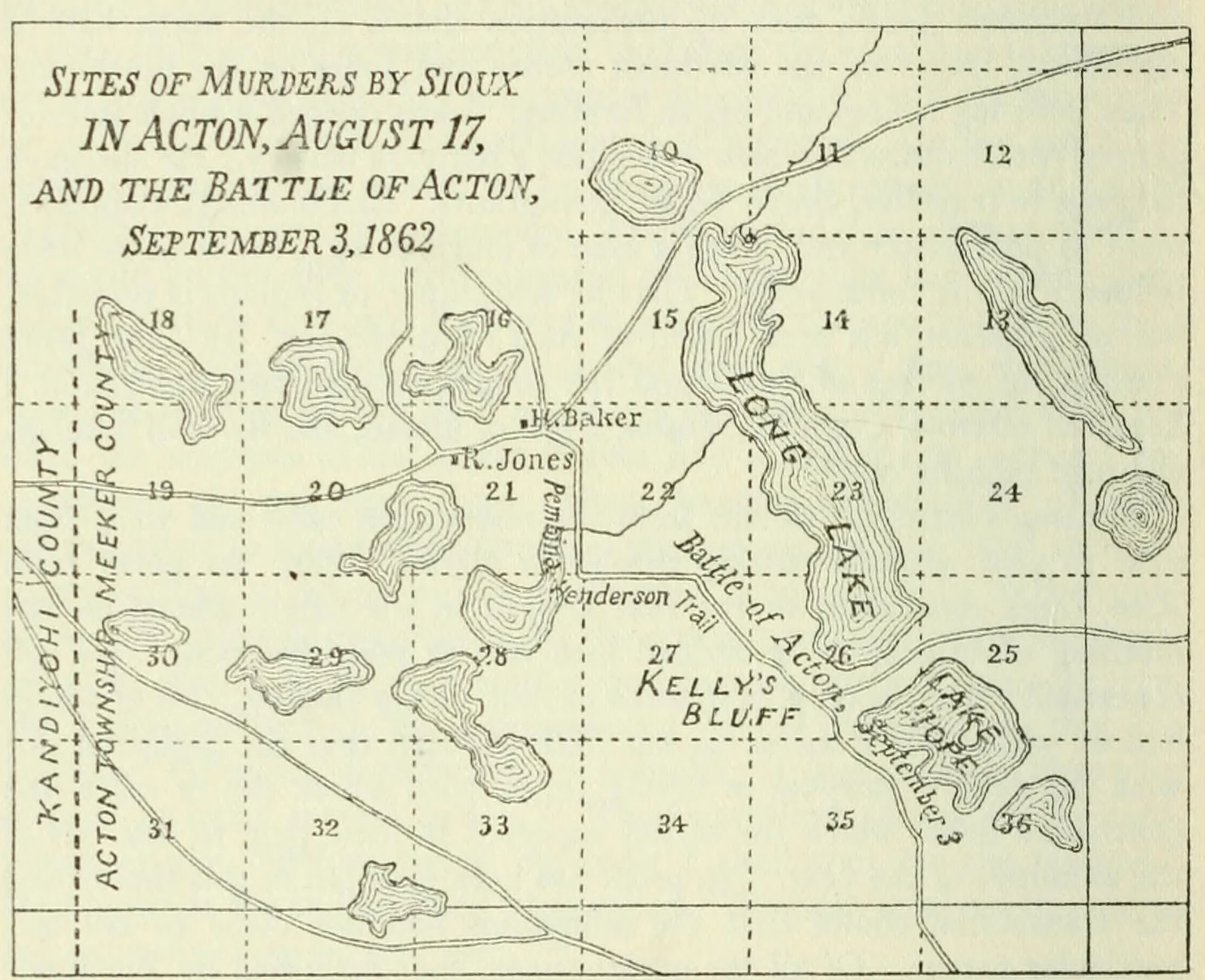
MapTwo events near Acton
This map separates the August 17 killings at the Jones and Baker farms from the September 3 battle near Long Lake.
Warren Upham, in William Watts Folwell’s A History of Minnesota, vol. II (1924), p. 416 · Public domain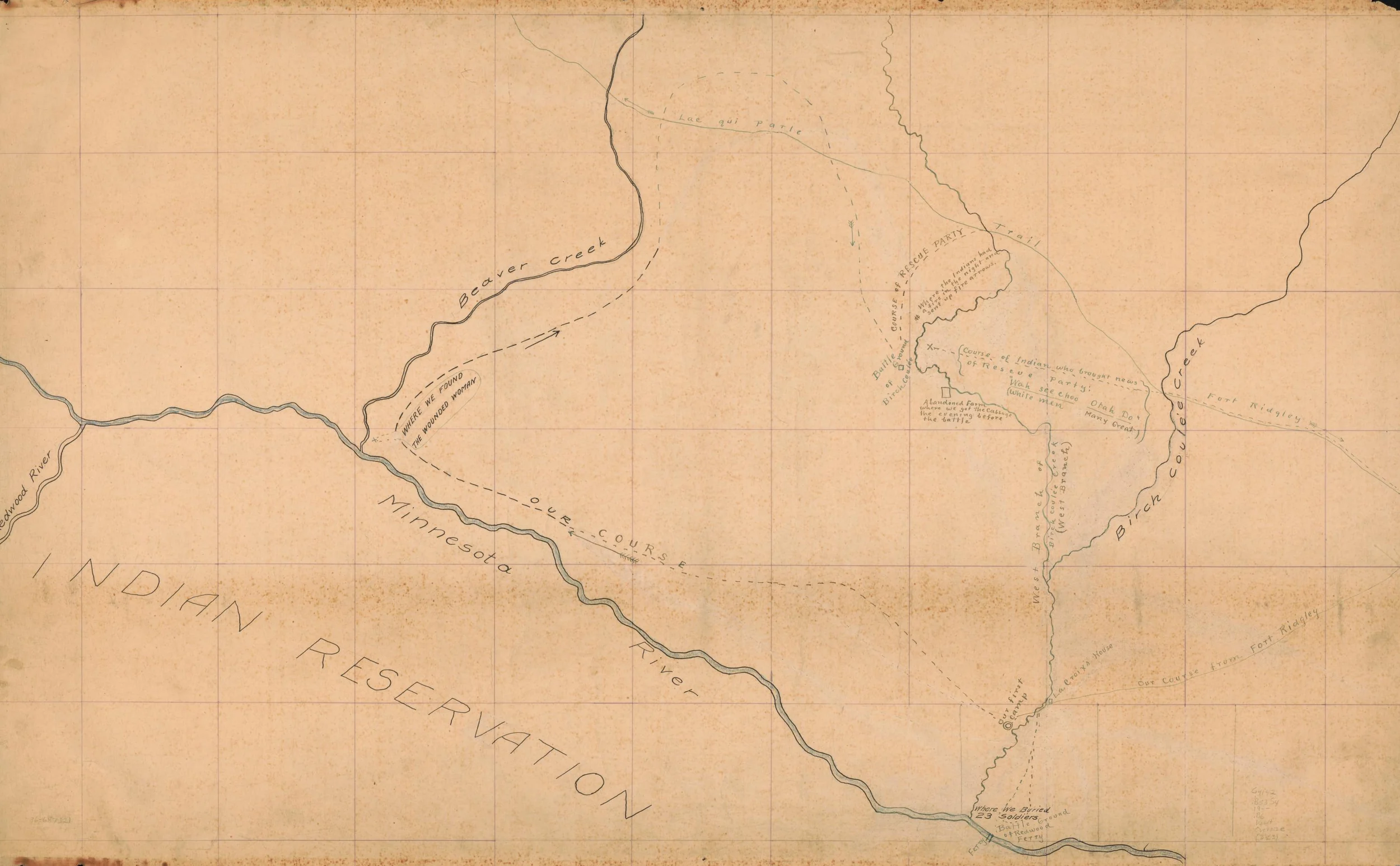
MapBirch Coulee and the relief approach
Boyd’s vicinity sheet places the encampment among bluffs and streams and traces the approach from Fort Ridgely.
Robert K. Boyd / Library of Congress, Geography and Map Division · Library of Congress identifies no item-specific restrictions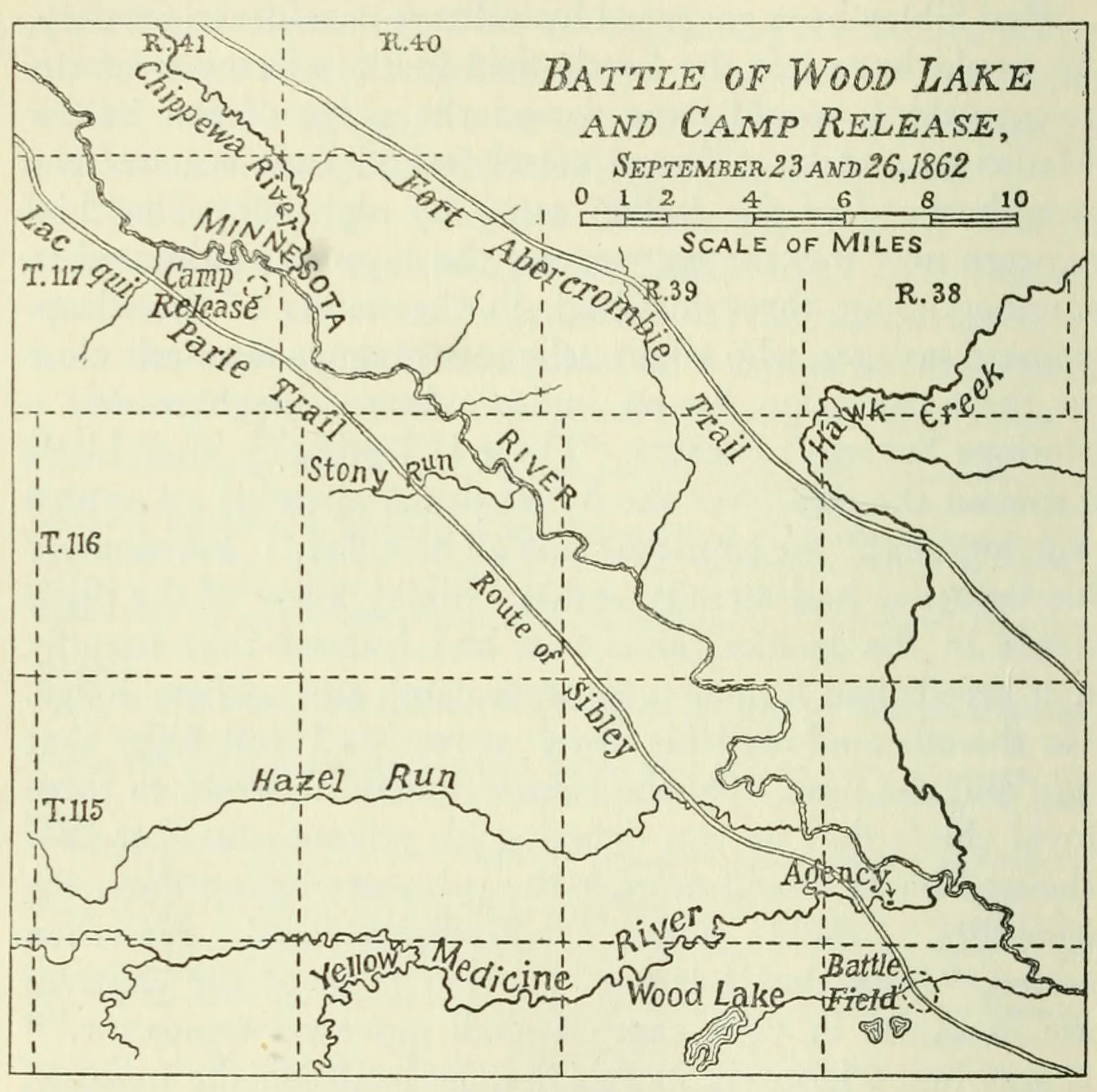
MapWood Lake to Camp Release
A regional map showing Lone Tree Lake, the Upper Agency and the route to Camp Release, opposite the mouth of the Chippewa River.
Warren Upham, in William Watts Folwell’s A History of Minnesota, vol. II (1924), p. 184 · Public domain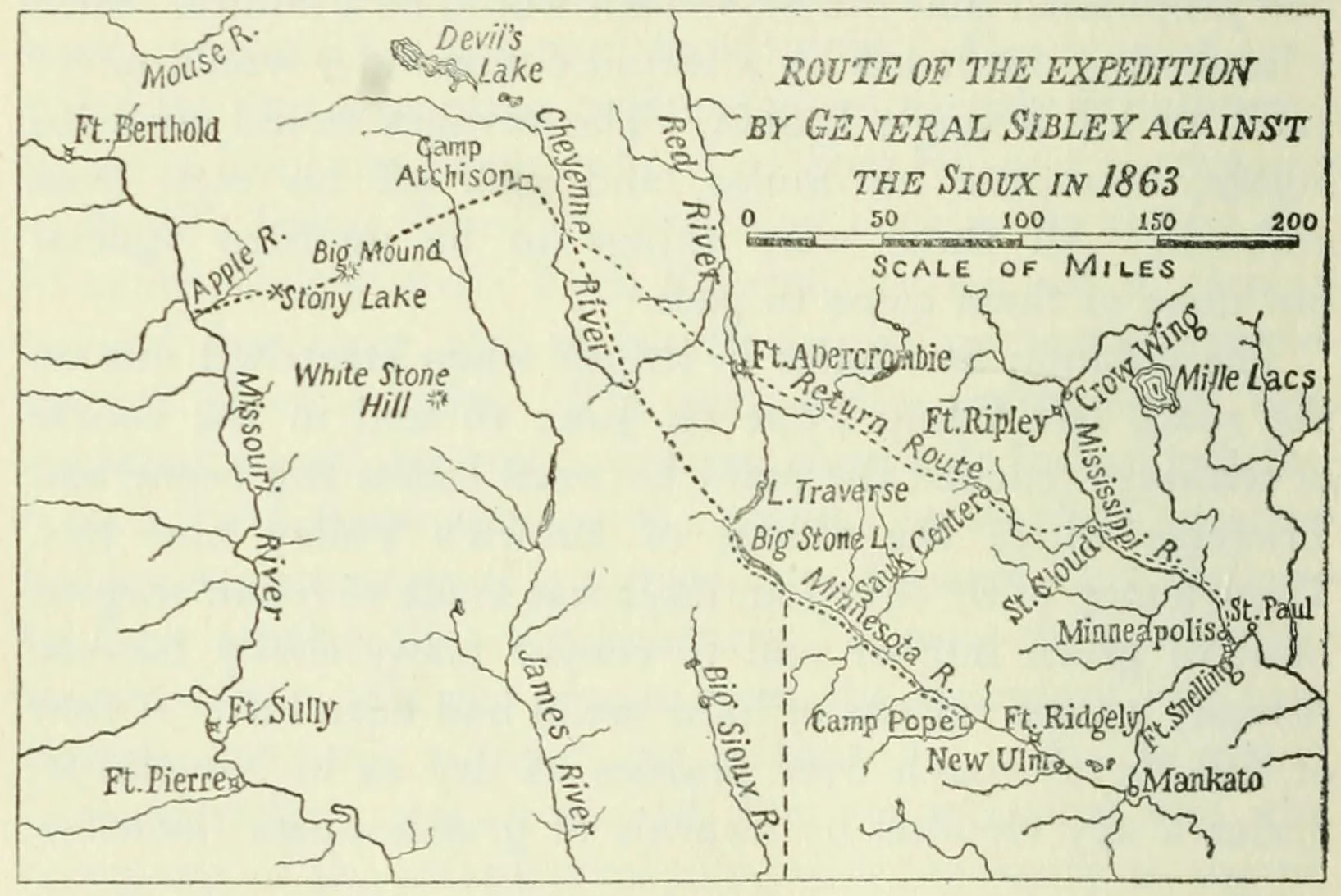
MapSibley’s 1863 route in Dakota Territory
The map traces camps and engagements across present-day North Dakota, west to the Missouri River.
Warren Upham, in William Watts Folwell’s A History of Minnesota, vol. II (1924), p. 268 · Public domainRelated history
-
 American Civil War
-
 U.S.–Dakota War of 1862
-
 Battle of Acton
-
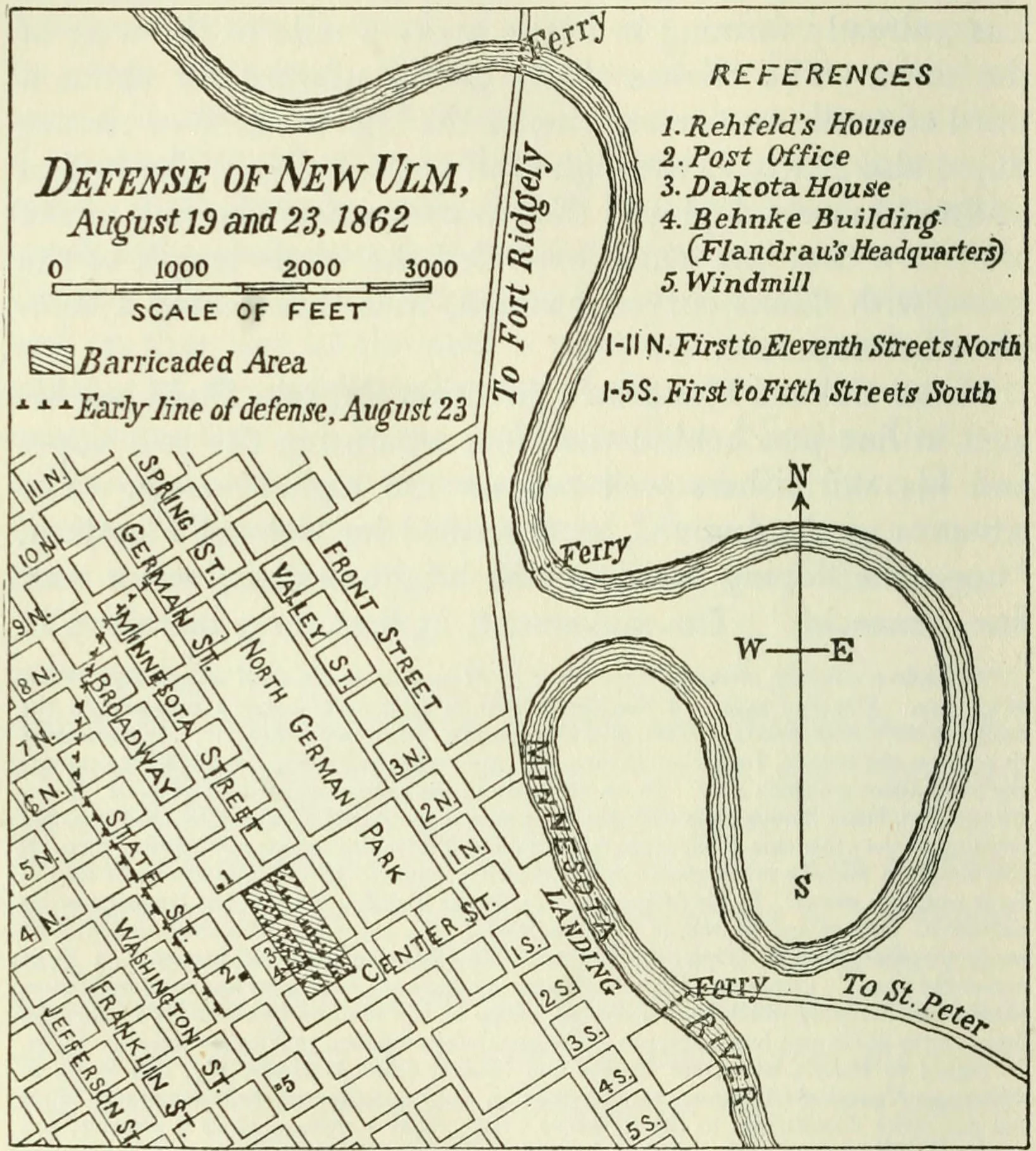 Battles of New Ulm
-
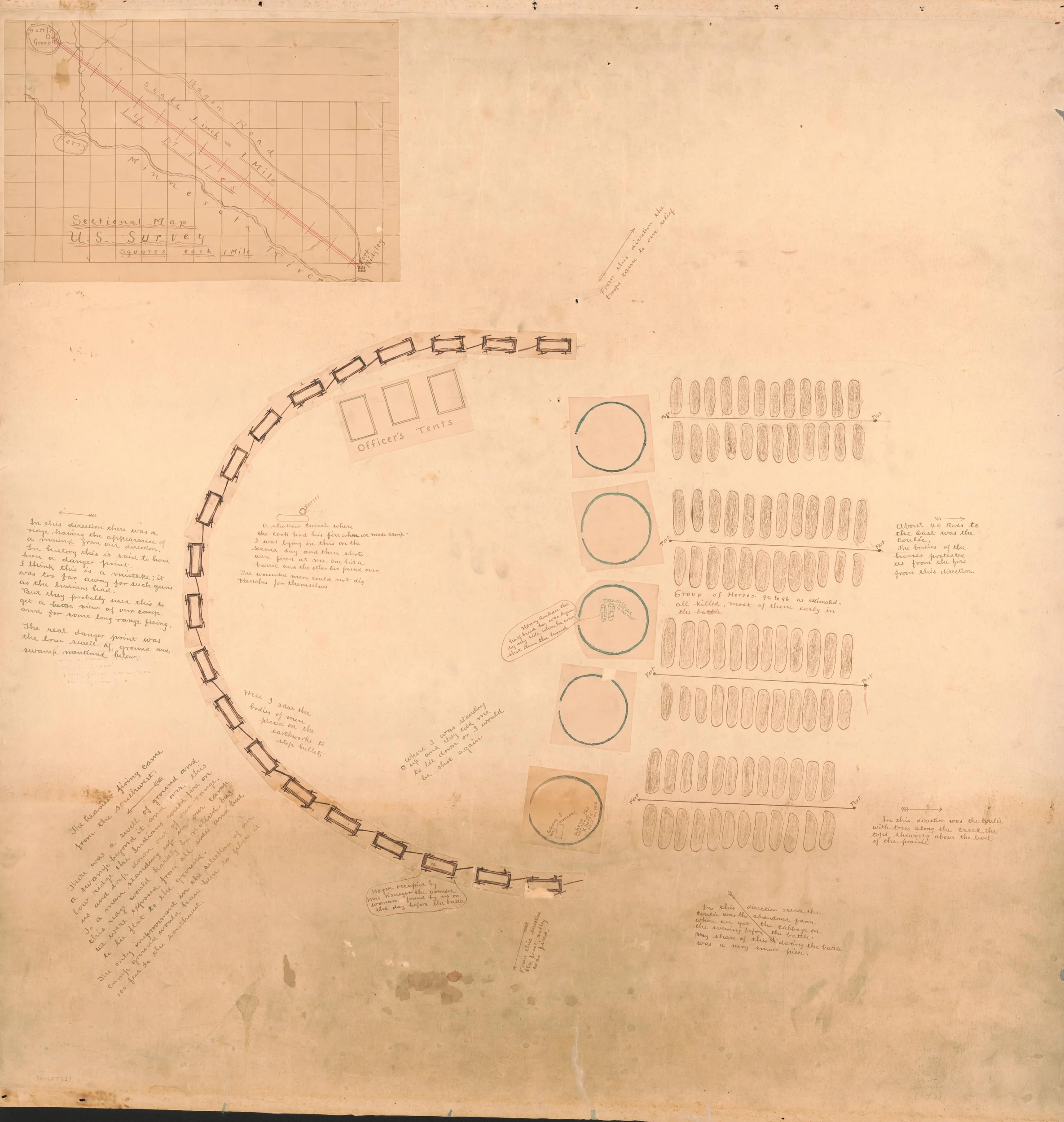 Battle of Birch Coulee
-
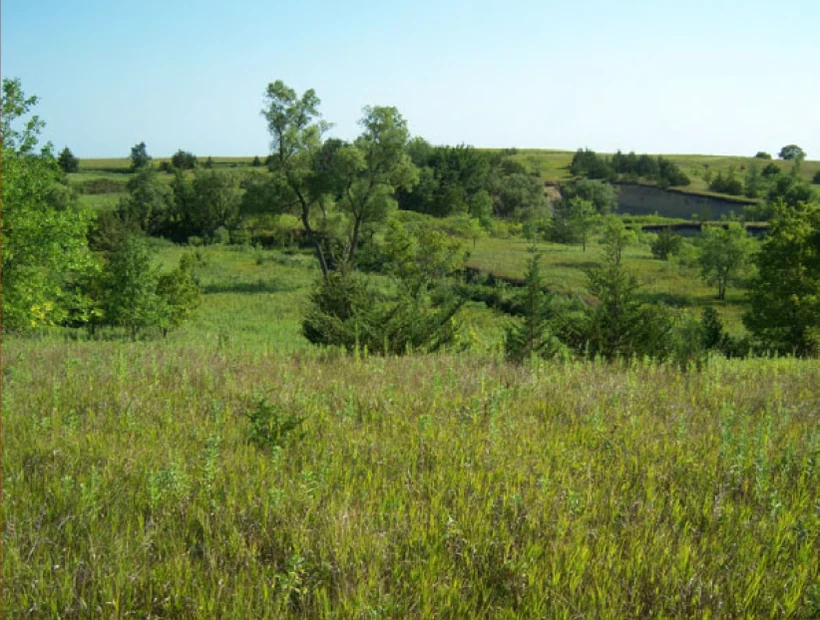 Battle of Wood Lake
-
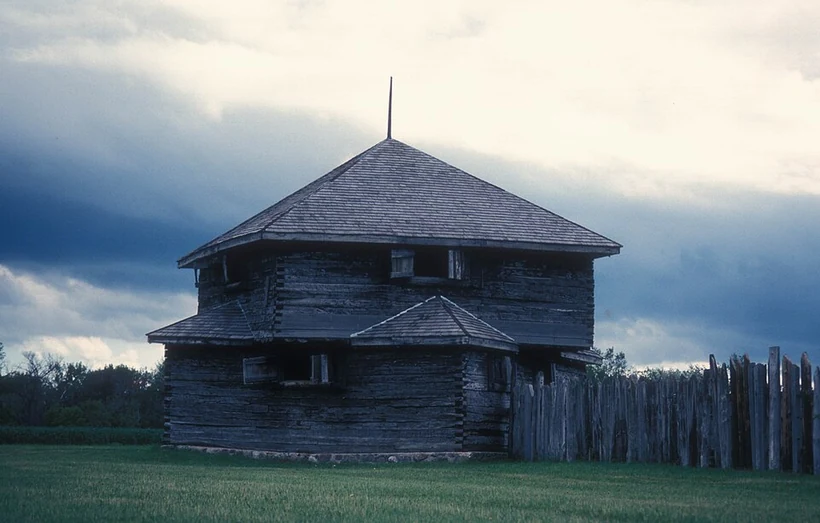 Siege of Fort Abercrombie
-
Forest City and Hutchinson
-
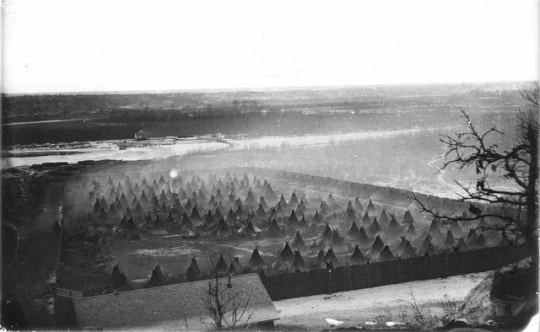 Dakota confinement and forced removal
-
Sibley’s Dakota Territory expedition
-
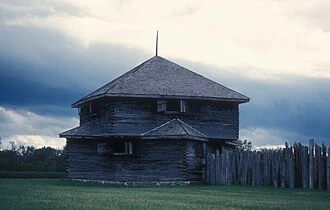 Fort Abercrombie
-
 Minnesota
-
Camp Release
-
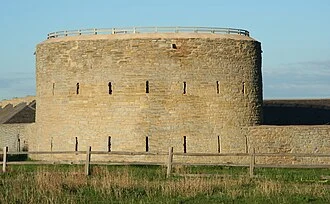 Historic Fort Snelling
-
 Nashville, Tennessee
Sources
- State regimental history · Minnesota in the Civil and Indian Wars, vol. I Ninth Minnesota regimental narrative, pp. 416–419
- Military service summary · National Park Service Ninth Minnesota Infantry service record
- Military dispatches · Minnesota in the Civil and Indian Wars, vol. II Birch Coulee reports and casualty roll, pp. 212–223
- Military dispatches · Minnesota in the Civil and Indian Wars, vol. II Sibley and Marshall’s Wood Lake dispatches, pp. 240–243
- Official survey and veteran recollections · Minnesota Historical Society Wood Lake Battlefield Commission report and map, PDF pp. 3–6
- Military dispatch · Minnesota in the Civil and Indian Wars, vol. II Richard Strout’s report, September 7, 1862, pp. 239–240
- State roster · Minnesota in the Civil and Indian Wars, vol. I Roster of citizens attached to Company B, p. 771
- Congressional report · United States Congress, 1896 House Report 54-601 on Neil McNeil
- Military dispatch · Minnesota in the Civil and Indian Wars, vol. II Emil Burger’s Fort Abercrombie dispatch, p. 253
- Historic site interpretation · State Historical Society of North Dakota Sibley’s 1863 expedition camps and routes
History from approved profiles
Neil McNeil
Minnesota’s state roster, volume I, printed page 771, names McNeil in the citizen company attached to Captain Strout’s Company B.
Neil McNeil
The state regimental history, printed pages 416–417, documents the company’s formation, the citizen volunteers and its assignment to the Ninth.
Veteran roster
Service references come from the wall inscriptions and approved public profiles.
1 veteran
| Veteran | Rank or rating | Military unit | Service period | Decorations, bases and places |
|---|---|---|---|---|
| Neil McNeil | — | 9th Minnesota Volunteer Infantry | August to September 1862, the period documented for his civilian volunteer service. Battle of Acton Neil McNeil pension act U.S.–Dakota War of 1862 |
Cleveland, Ohio Dayton, Minnesota Minnesota Saint Paul, Minnesota |