American Civil War
1861–1865
The Civil War began after states seceded to protect slavery. The Union fought to preserve the United States, and emancipation became a federal war aim. Black Americans helped win their own freedom through military service and by leaving slavery wherever they could.
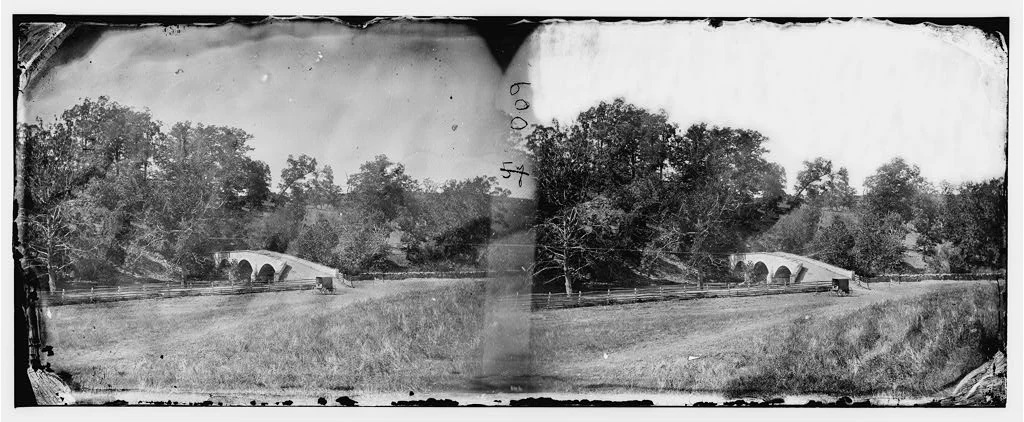
Alexander Gardner photographed the bridge from the southeast in September 1862. The two views come from a stereograph negative.
Alexander Gardner · Library of Congress · No known restrictions on publicationHistory
Secession and a national war
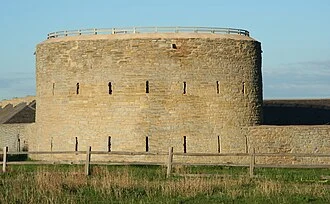
Southern secession followed Abraham Lincoln’s election in 1860. Confederate batteries fired on Fort Sumter in Charleston Harbor in April 1861. Lincoln called for volunteers, and Minnesota organized regiments at Fort Snelling.
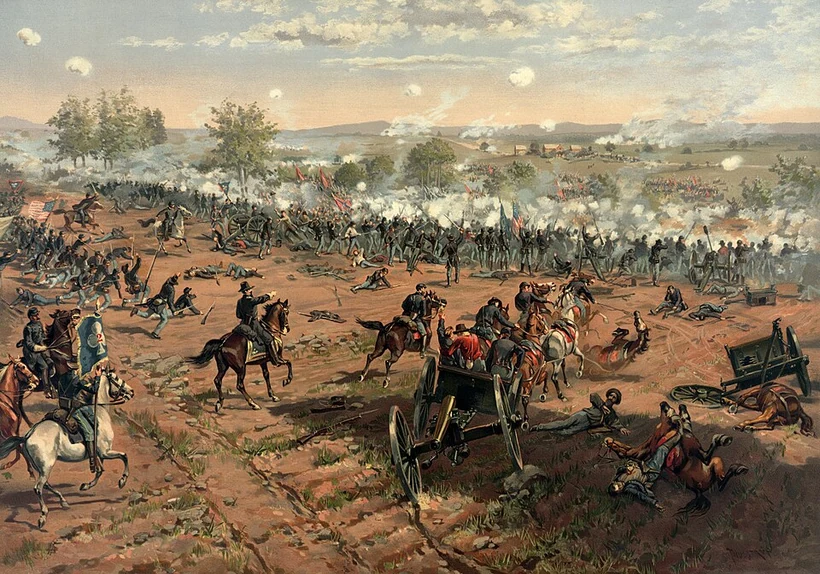
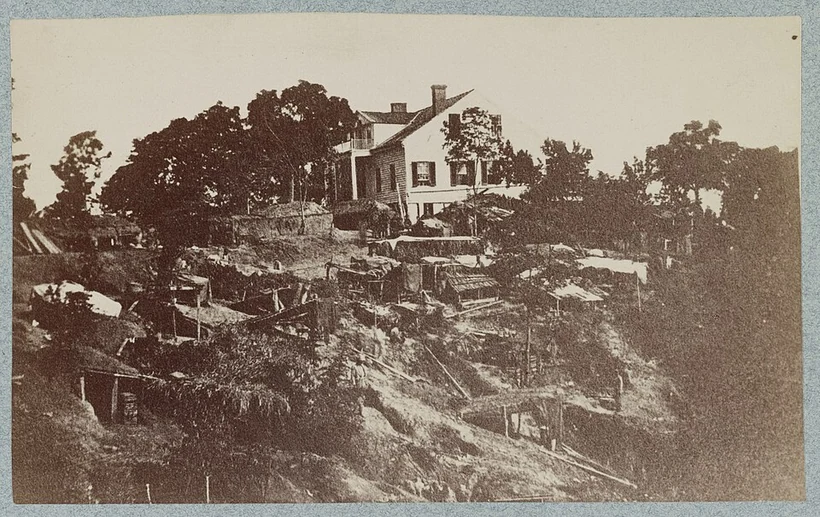
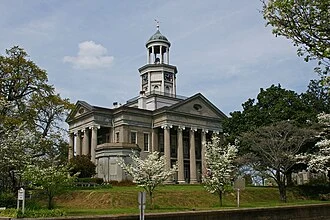
The Union fought across several theaters. In 1863, Gettysburg checked Robert E. Lee’s invasion of Pennsylvania, while the surrender of Vicksburg helped open the Mississippi River to Union control.
Emancipation and military service
The Emancipation Proclamation declared freedom for enslaved people in designated areas still in rebellion on January 1, 1863. It also authorized the enlistment of Black men. Nearly 180,000 Black soldiers served in the Union Army, and about 19,000 served in the Navy.
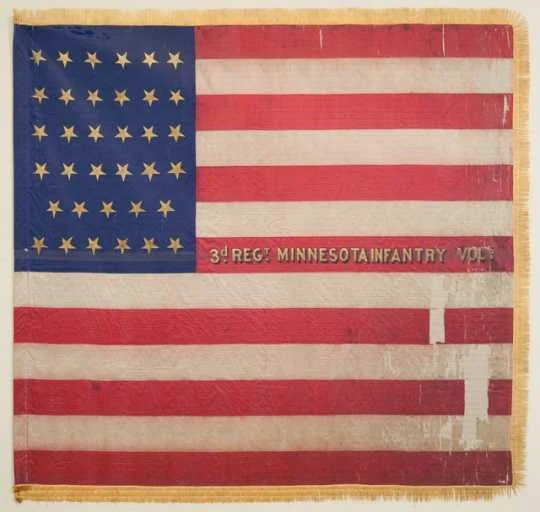
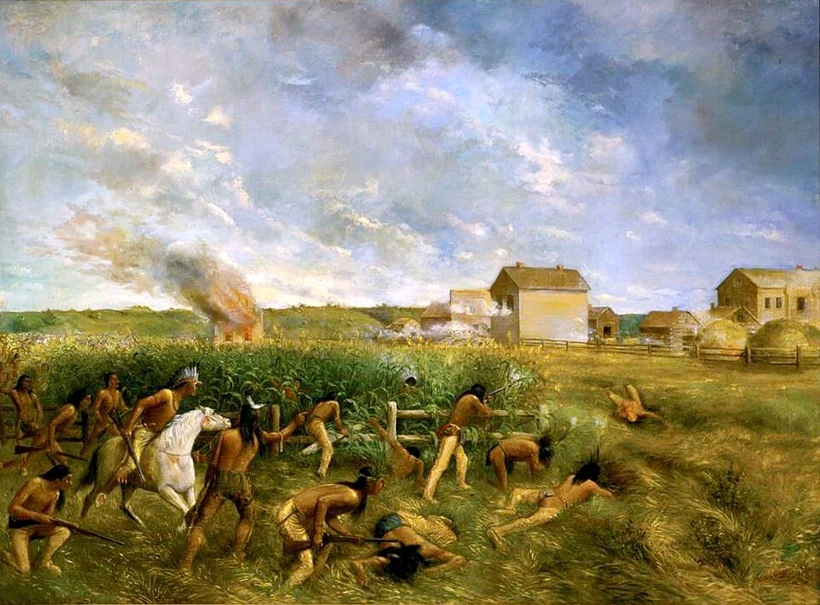
Minnesota regiments served on the Mississippi River, in Arkansas, and elsewhere. The Third Minnesota also fought at Wood Lake in the separate U.S.–Dakota War of 1862, which grew out of dispossession and broken treaties.
Surrender, freedom, and citizenship
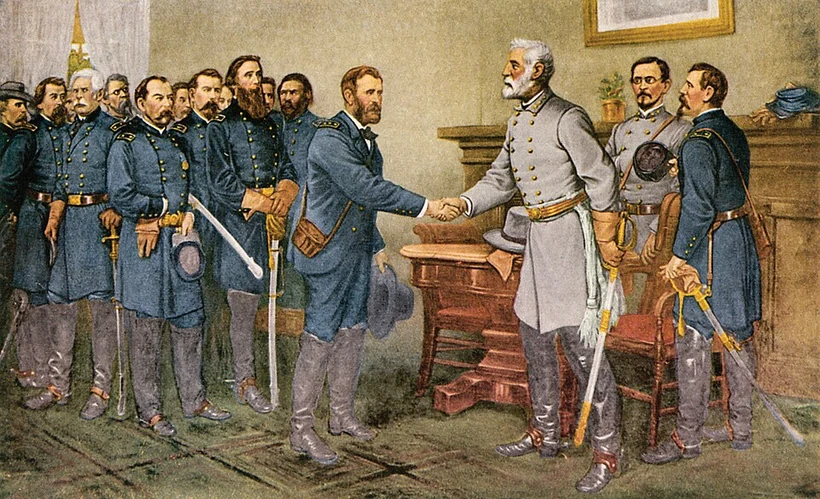
Grant accepted Lee’s surrender at Appomattox in April 1865. Other Confederate commands surrendered in the following weeks. Union general Gordon Granger announced emancipation in Galveston on June 19.
Ratification of the Thirteenth Amendment in December abolished slavery and involuntary servitude, with an exception for punishment after conviction. The National Park Service’s Soldiers and Sailors database can help locate a person’s unit.
Timeline
April 12, 1861Confederate forces fire on Fort Sumter
The bombardment in Charleston Harbor opened the war. The garrison surrendered after two days of fire.
September 17, 1862Union and Confederate armies fight at Antietam
The battle ended Lee’s first invasion of the North. Five days later Lincoln issued the preliminary Emancipation Proclamation.
January 1, 1863The Emancipation Proclamation takes effect
The proclamation applied to designated areas in rebellion and authorized Black military service.
July 1–3, 1863Gettysburg halts Lee’s Pennsylvania invasion
On July 2 the First Minnesota charged a larger force to buy time for Union reinforcements.
July 4, 1863Vicksburg surrenders
Confederate general John C. Pemberton surrendered to Ulysses S. Grant after a siege. Union forces took Port Hudson a few days later.
April 9, 1865Lee surrenders the Army of Northern Virginia
Lee accepted Grant’s terms by letter at Appomattox Court House. The terms provided for Confederate soldiers to lay down their arms and return home on parole.
June 19, 1865Union Army announces emancipation in Galveston
General Order No. 3 announced freedom for enslaved people in Texas. June 19 became Juneteenth.
December 6, 1865The Thirteenth Amendment is ratified
The amendment abolished slavery and involuntary servitude except as punishment for a crime after conviction.
Images and records
PhotographBurnside Bridge at Antietam
Alexander Gardner photographed the bridge from the southeast in September 1862. The two views come from a stereograph negative.
Alexander Gardner · Library of Congress · No known restrictions on publication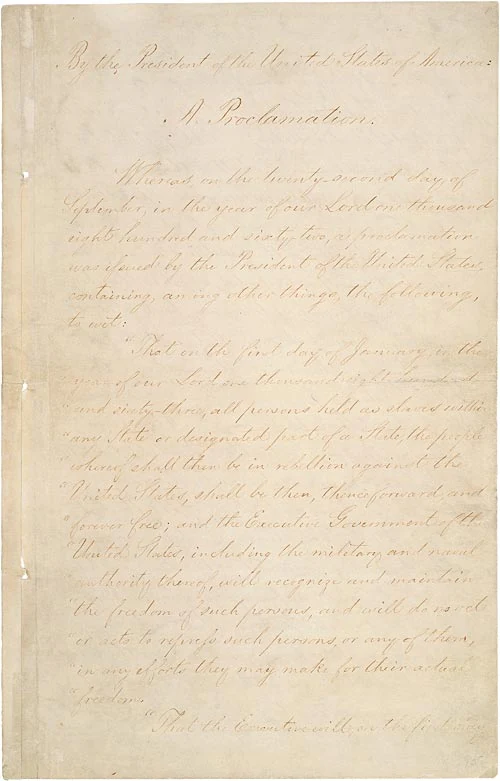
DocumentEmancipation Proclamation
The first page of the federal proclamation that took effect on January 1, 1863.
National Archives · Record Group 11 · U.S. public domainRelated history

Sources
- History · National Park Service Battle of Fort Sumter
- Battlefield history · National Park Service The Battle of Antietam
- Original document · National Archives Emancipation Proclamation and transcript
- Records and teaching resources · National Archives Black soldiers in the Civil War
- Battlefield history · National Park Service Battle of Gettysburg
- Battlefield history · National Park Service The fall of Vicksburg
- Documents and transcripts · National Park Service Surrender correspondence
- Original document · National Archives General Order No. 3 and Juneteenth
- Original document · National Archives Thirteenth Amendment and transcript
- State history · Minnesota National Guard First Minnesota and Minnesota Guard milestones
- Timeline · Minnesota Historical Society Fort Snelling timeline
- Unit records · National Park Service Third Minnesota infantry service
- Timeline · Minnesota Historical Society U.S.–Dakota War timeline
- Searchable records · National Park Service Civil War Soldiers and Sailors
- Archival photograph · Library of Congress Burnside Bridge stereograph
Veteran roster
Service references come from the wall inscriptions and approved public profiles.
10 veterans