Battle of Wood Lake
September 23, 1862
The last major battle of the 1862 war in Minnesota took place by Lone Tree Lake, east of the lake now called Wood Lake. The surrounding road, ravine, prairie, and camp shaped the encounter.
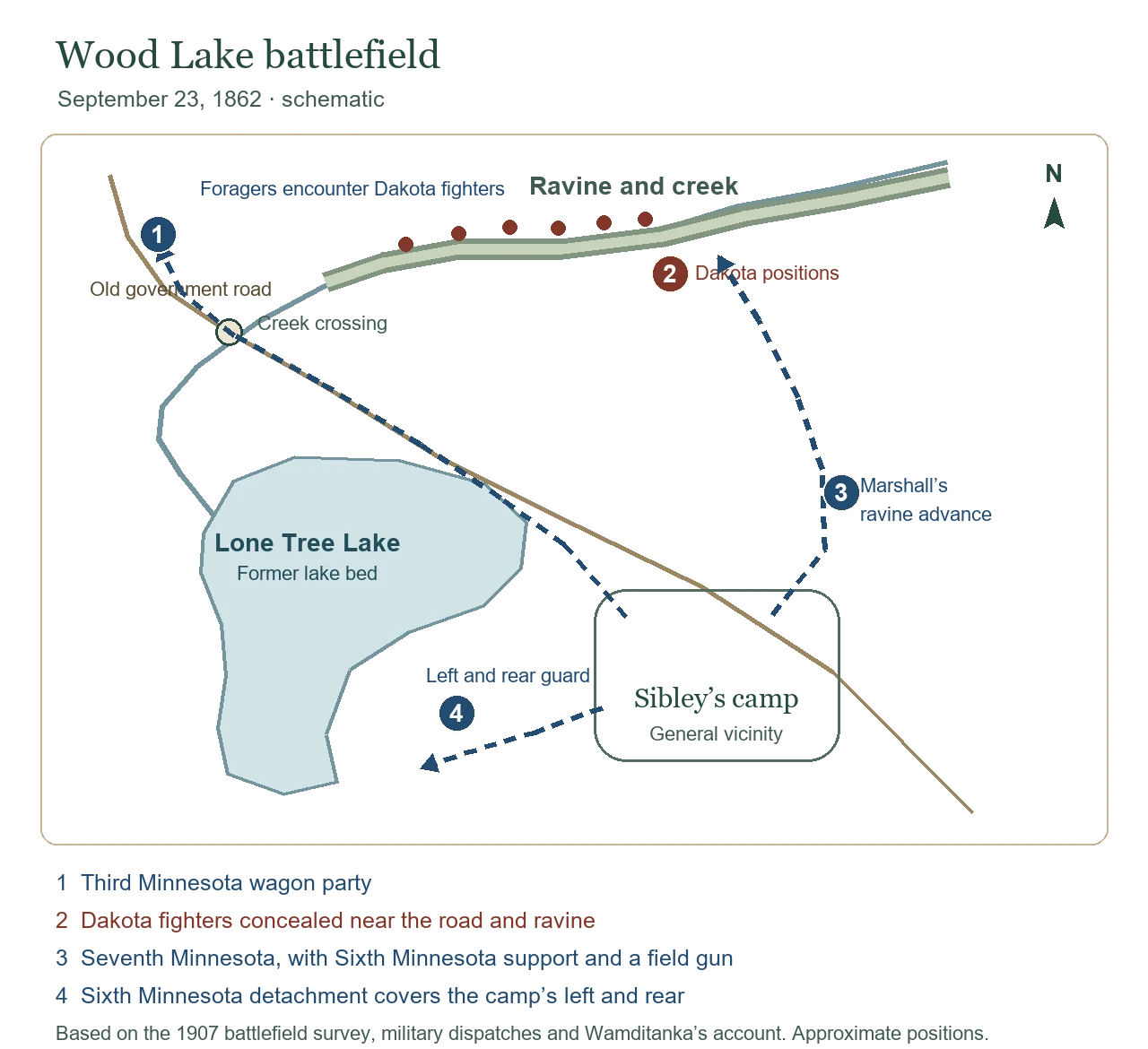
This schematic locates the wagon party, the creek crossing and ravine, Marshall’s advance and the Sixth’s rear guard. Positions are approximate and draw on the 1907 survey, Dakota eyewitness testimony, and U.S. military reports.
Cambridge Veterans Memorial Park, after the Wood Lake Battlefield Commission · Park map based on historical recordsHistory
Approach from Fort Ridgely
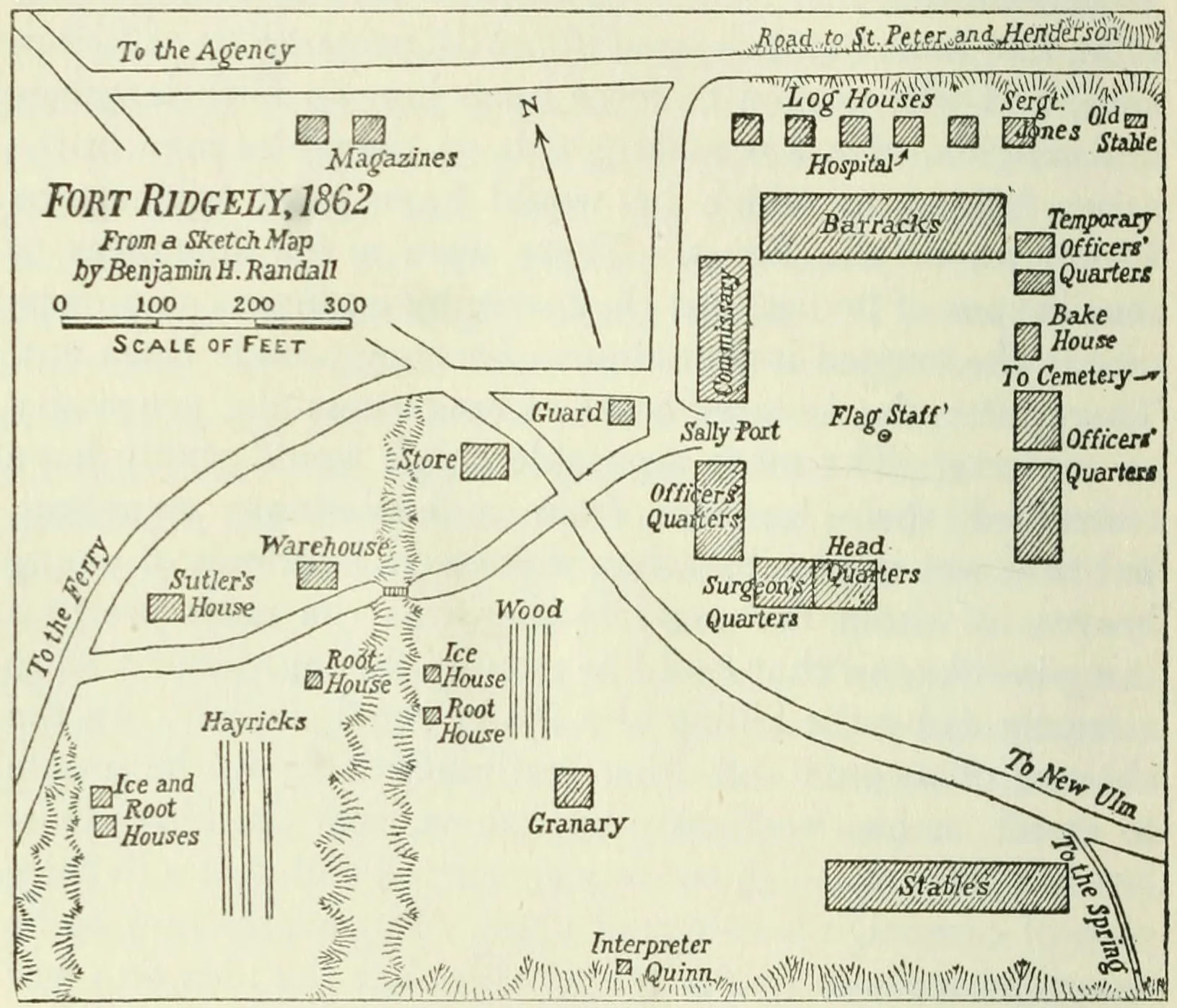
Sibley began moving from Fort Ridgely on September 18–19. His dispatch gives September 19 as his departure date. The column crossed the river and followed the government road, camping near Lone Tree Lake on September 22.
The wagon party and the ravine
Third Minnesota soldiers left camp in wagons to forage. James Crosby remembered crossing the outlet bridge and coming under fire. Wamditanka recalled Dakota fighters lying in wait near the road, hill, and ravine. The encounter opened the battle before the army started its planned march. Lieutenant James Gorman’s Renville Rangers and Major Abraham Welch’s Third Minnesota detachment went into the fight.
The camp’s right and left
Lieutenant Colonel William R. Marshall led five Seventh Minnesota companies against the ravine with a six-pounder and support from the Sixth. Major McLaren and Captain Horace Wilson’s Sixth Minnesota company protected the other flank and rear. Ninth Company A served as pioneers in the expedition. Accounts differ about the exact role and arrival of Ninth Company C. The 1907 survey and later archaeology help reconstruct the terrain and movements.
After the fighting
Taoyateduta and other Dakota fighters withdrew. Some moved west, while others remained near their families. The Dakota Peace Party protected captives and arranged their release at Camp Release on September 26.
Timeline
September 22Camp near Lone Tree Lake
The army camped east of the lake while Dakota fighters prepared an ambush.
September 23, early morningThe Third’s foragers meet Dakota fighters
The wagon party crossed the outlet and the encounter drew the Third Minnesota and the Renville Rangers into the fight.
Third Minnesota Veteran Volunteer InfantryView How the battle unfolded
September 23Marshall’s flank movement
Seventh Minnesota companies with artillery and Sixth Minnesota support moved against the ravine.
September 26, 1862Camp Release
The Dakota Peace Party had protected captives. It arranged their release when Sibley’s command reached the area across from the mouth of the Chippewa River. The military then held Dakota people there and began trials.
Images and records
MapHow the battle unfolded
This schematic locates the wagon party, the creek crossing and ravine, Marshall’s advance and the Sixth’s rear guard. Positions are approximate and draw on the 1907 survey, Dakota eyewitness testimony, and U.S. military reports.
Cambridge Veterans Memorial Park, after the Wood Lake Battlefield Commission · Park map based on historical records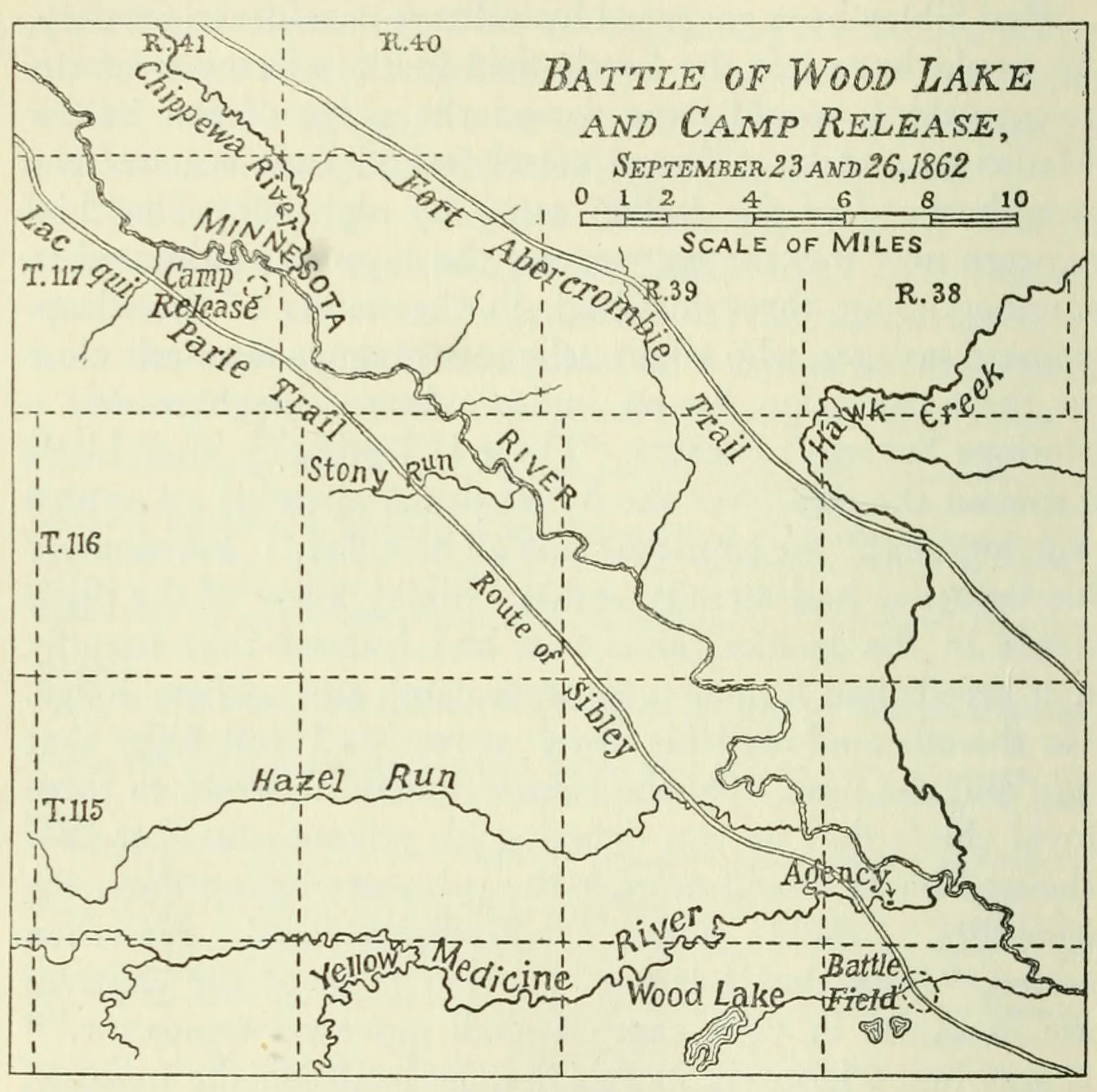
MapWood Lake to Camp Release
A regional map showing Lone Tree Lake, the Upper Agency and the route to Camp Release, opposite the mouth of the Chippewa River.
Warren Upham, in William Watts Folwell’s A History of Minnesota, vol. II (1924), p. 184 · Public domain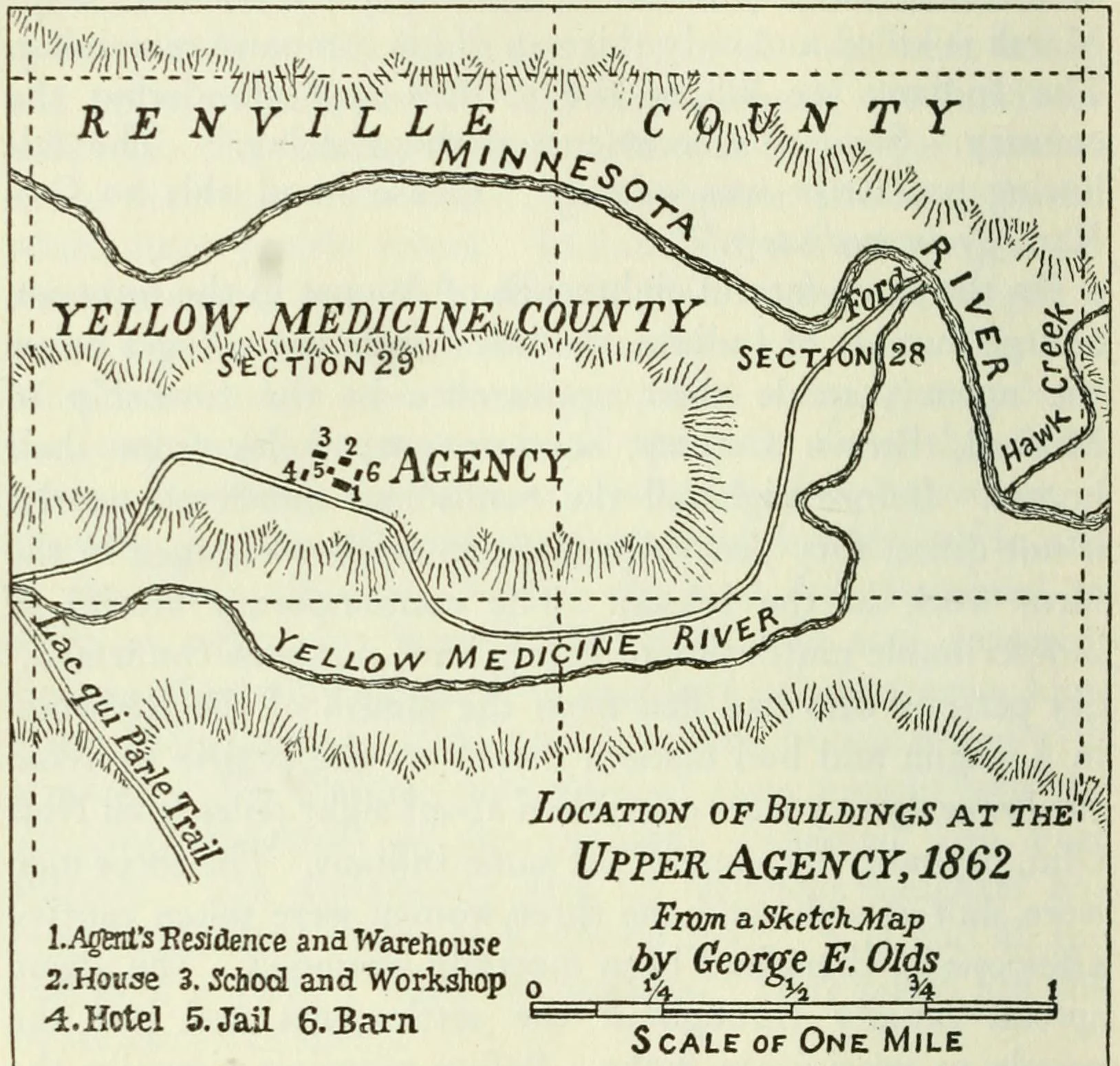
MapThe Upper Agency at Yellow Medicine
Upham’s map locates agency buildings, the river, and nearby roads around the Upper Agency.
Warren Upham, in William Watts Folwell’s A History of Minnesota, vol. II (1924), p. 116 · Public domainRelated history
-
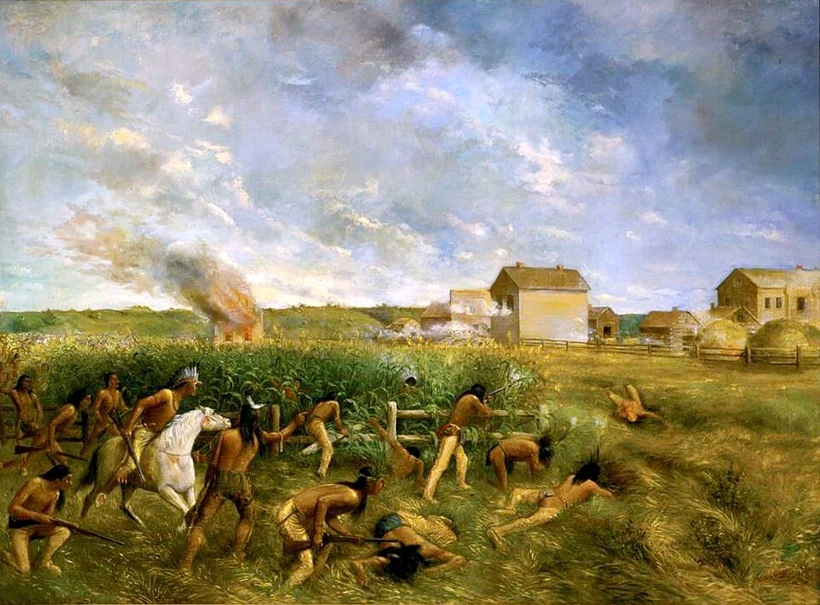 U.S.–Dakota War of 1862
-
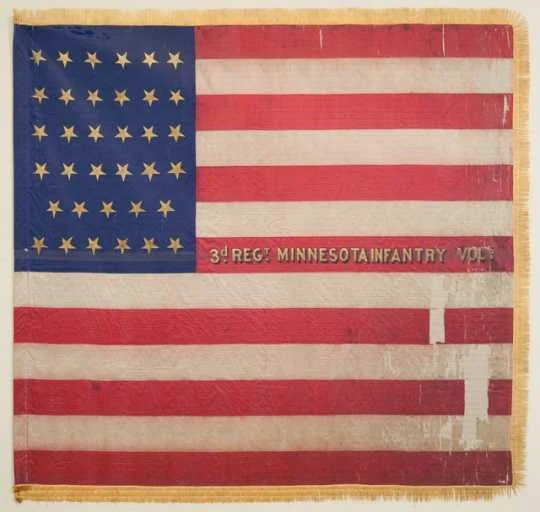 Third Minnesota Veteran Volunteer Infantry
-
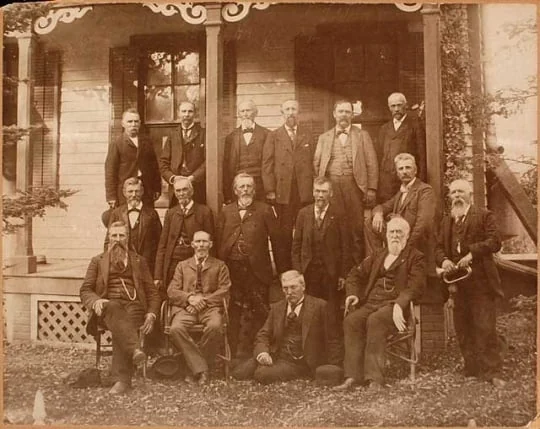 Sixth Minnesota Volunteer Infantry
-
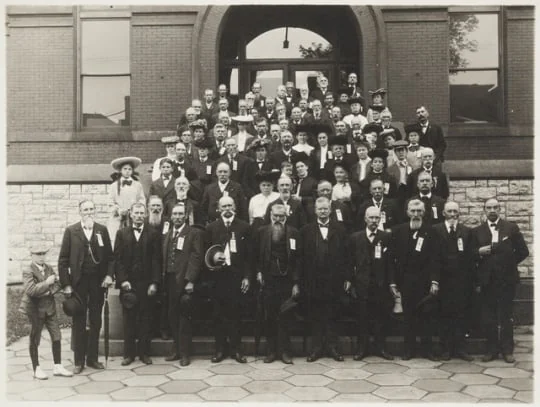 Seventh Minnesota Volunteer Infantry
-
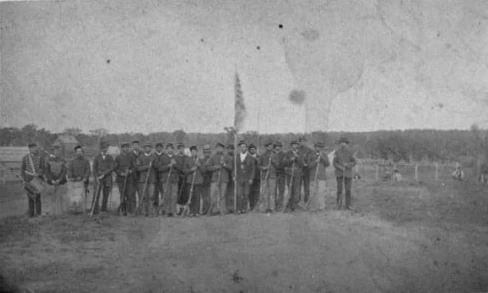 9th Minnesota Volunteer Infantry
-
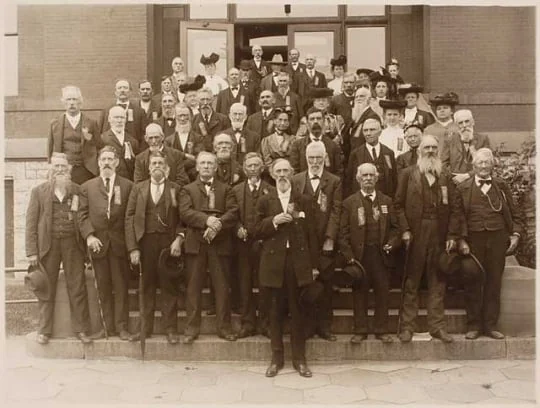 Tenth Minnesota Volunteer Infantry
-
 Renville Rangers
-
Camp Release
-
 Minnesota
-
 Lieutenant Colonel (U.S. Army, Marine Corps, and Air Force)
Sources
- Military dispatches · Minnesota in the Civil and Indian Wars, vol. II Sibley and Marshall’s Wood Lake dispatches, pp. 240–243
- Sixth Minnesota company history · Pioneer Press Company, 1899 Alfred J. Hill’s Company E history, chapter II
- Official survey and veteran recollections · Minnesota Historical Society Wood Lake Battlefield Commission report and map, PDF pp. 3–6
- Historical map, 1924 · William Watts Folwell, A History of Minnesota, vol. II, p. 184 Wood Lake to Camp Release
- Third Minnesota eyewitness account · National Park Service James Crosby’s account of Wood Lake, PDF pp. 10–11
- Dakota eyewitness account · Minnesota Historical Society Collections, 1894 Wamditanka’s recollection, pp. 394–400
- Field archaeology report · Douglas D. Scott and coauthors Archaeological Investigation of the Wood Lake Battlefield, pp. 74–82
-
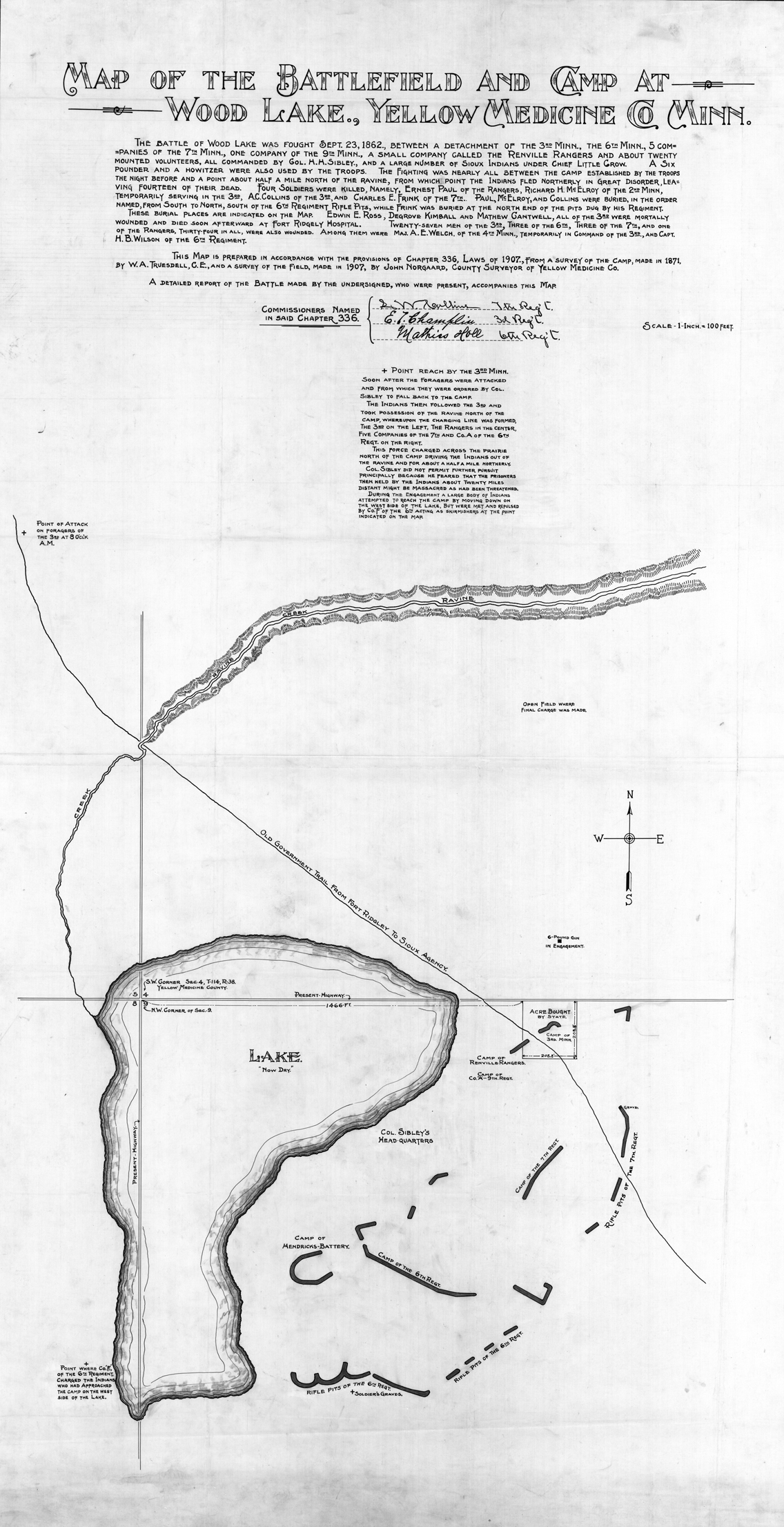
Archival map · Minnesota Historical Society
Wood Lake battlefield and camp survey, ca. 1907 (full size)
This survey incorporates an earlier survey of the camp earthworks and reconstructs positions around the government road, creek crossing and ravine.
- State regimental history · Minnesota in the Civil and Indian Wars, vol. I Ninth Minnesota regimental narrative, pp. 416–419
- Historic site interpretation · Minnesota Historical Society Battle of Wood Lake
- Dakota accounts and interpretation · Minnesota Historical Society The Dakota Peace Party
- Military dispatches · Minnesota in the Civil and Indian Wars, vol. II Camp Release reports, pp. 254–256
- Dakota and settler-descendant accounts · Minnesota Historical Society Mni Sota Wakpa Stories and Reflections