Veteran profile
Neil McNeil
Military units
Wars and historical events
Places



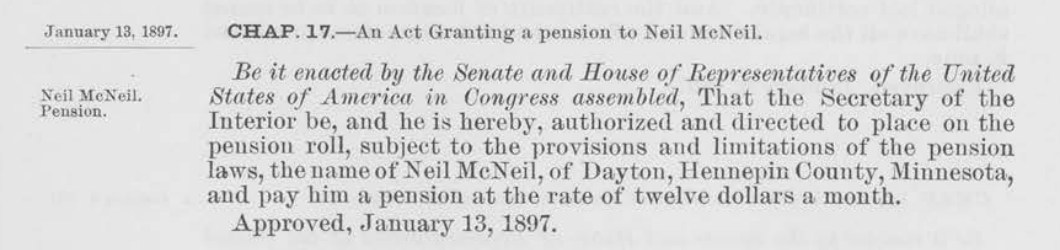
U.S. Statutes at Large, 29 Stat. 762, ch. 17. GovInfo.
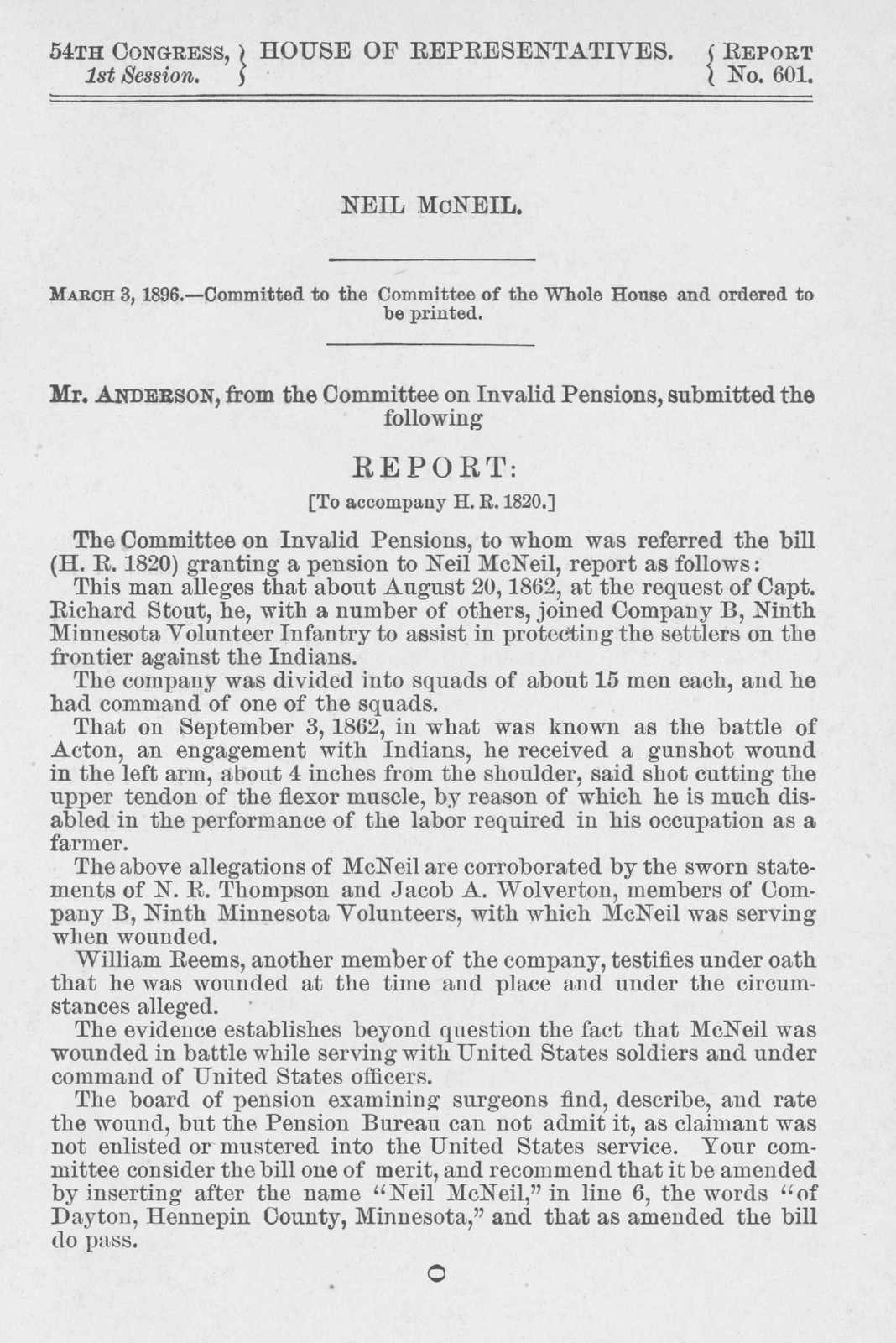
U.S. House of Representatives, H. Rept. 54-601. GovInfo.
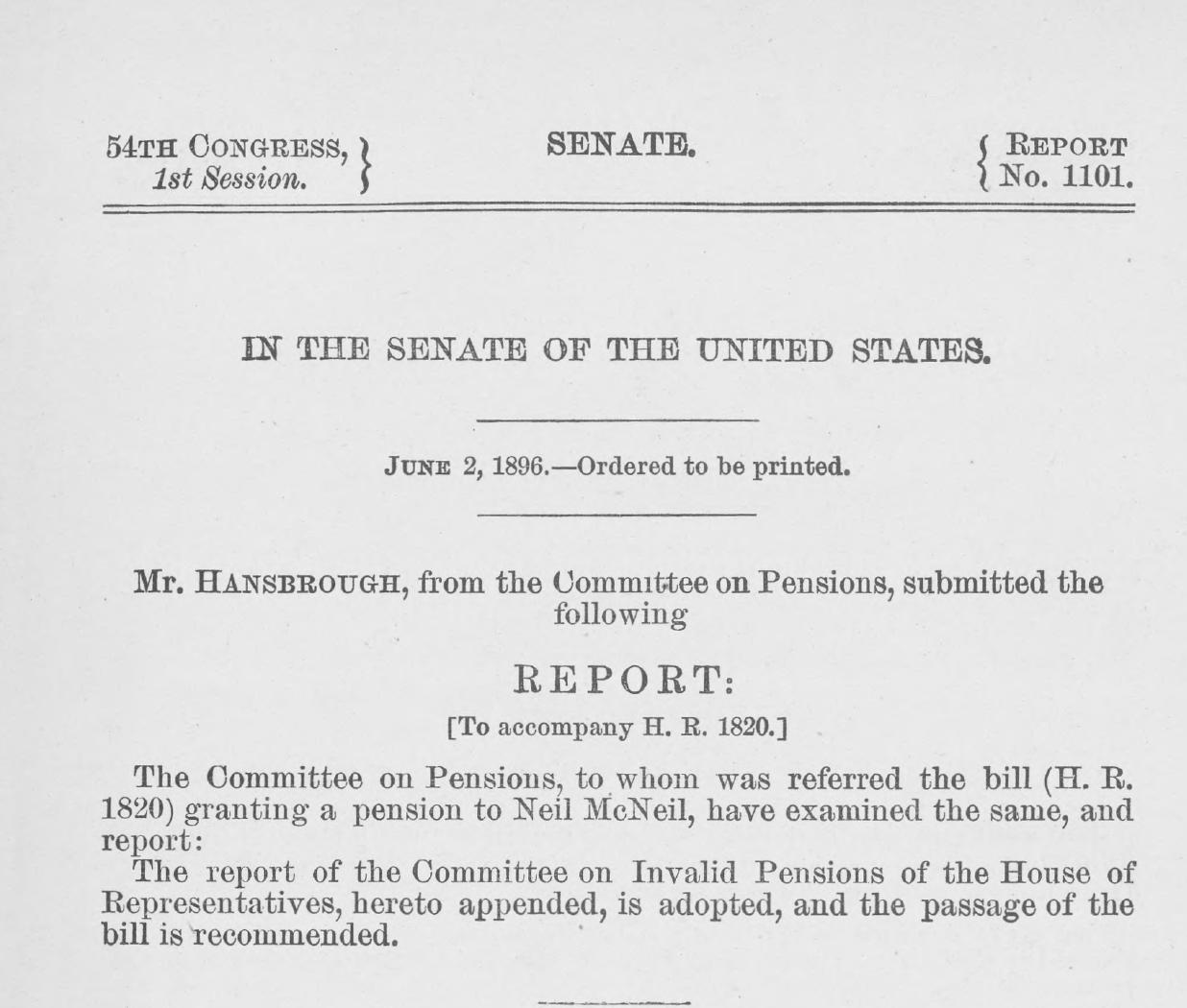
U.S. Senate, S. Rept. 54-1101. GovInfo.
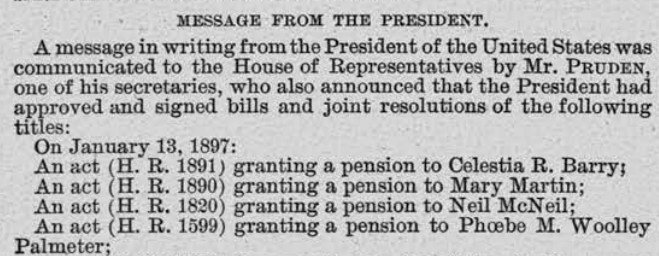
Congressional Record, vol. 29, printed p. 798. GovInfo.
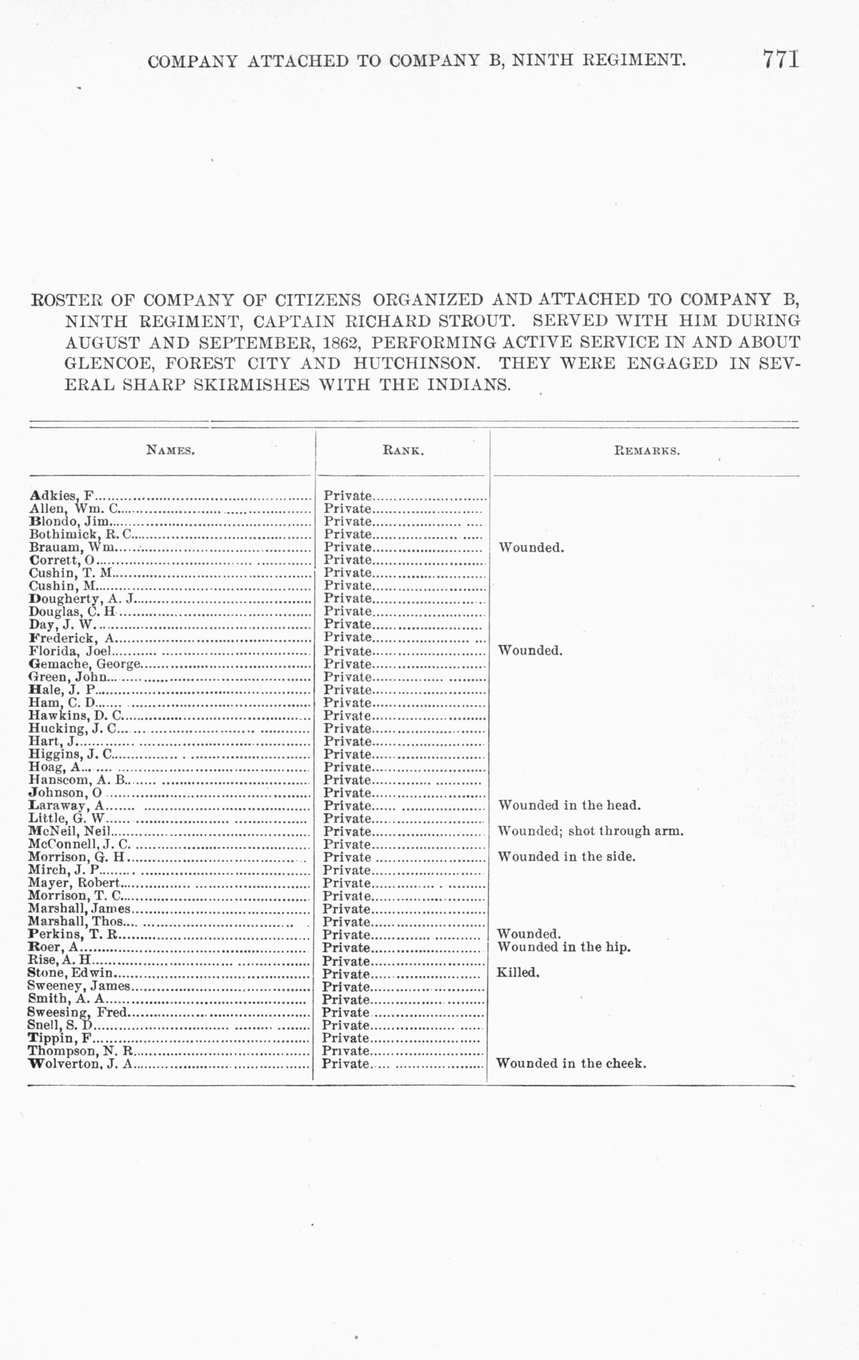
Minnesota in the Civil and Indian Wars, vol. I, printed p. 771. State of Minnesota.
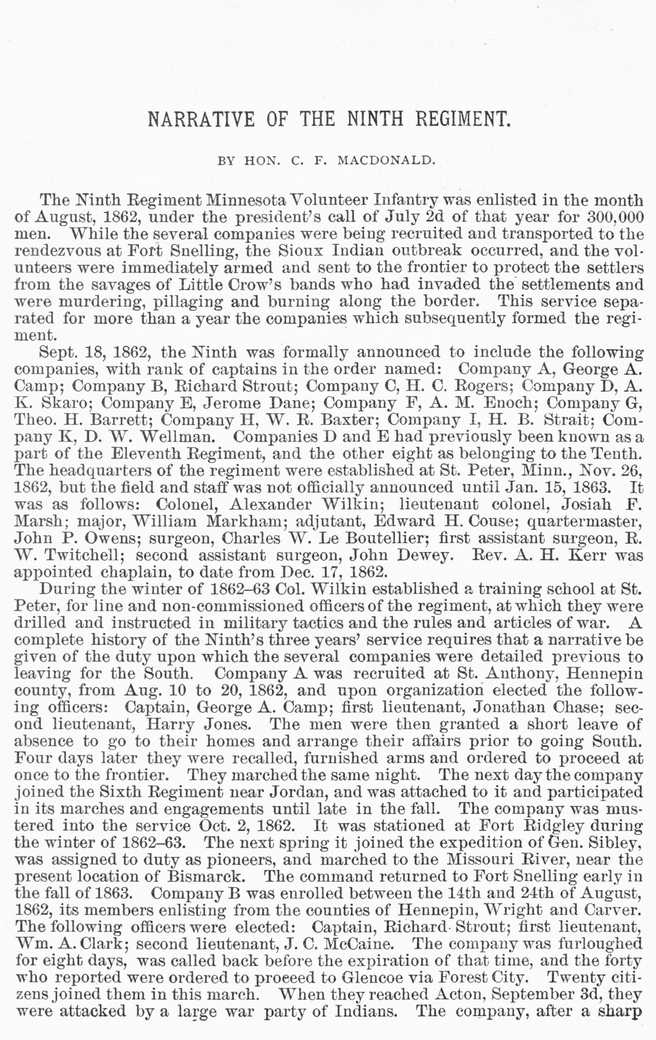
Minnesota in the Civil and Indian Wars, vol. I, printed p. 416. State of Minnesota.
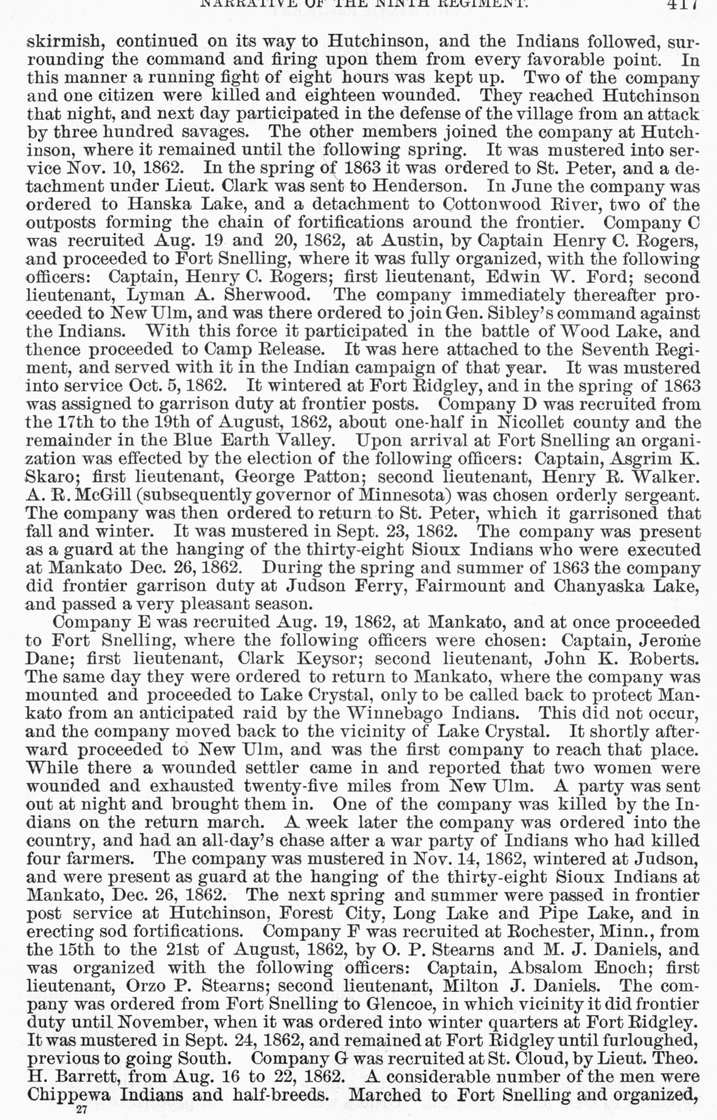
Minnesota in the Civil and Indian Wars, vol. I, printed p. 417. State of Minnesota.
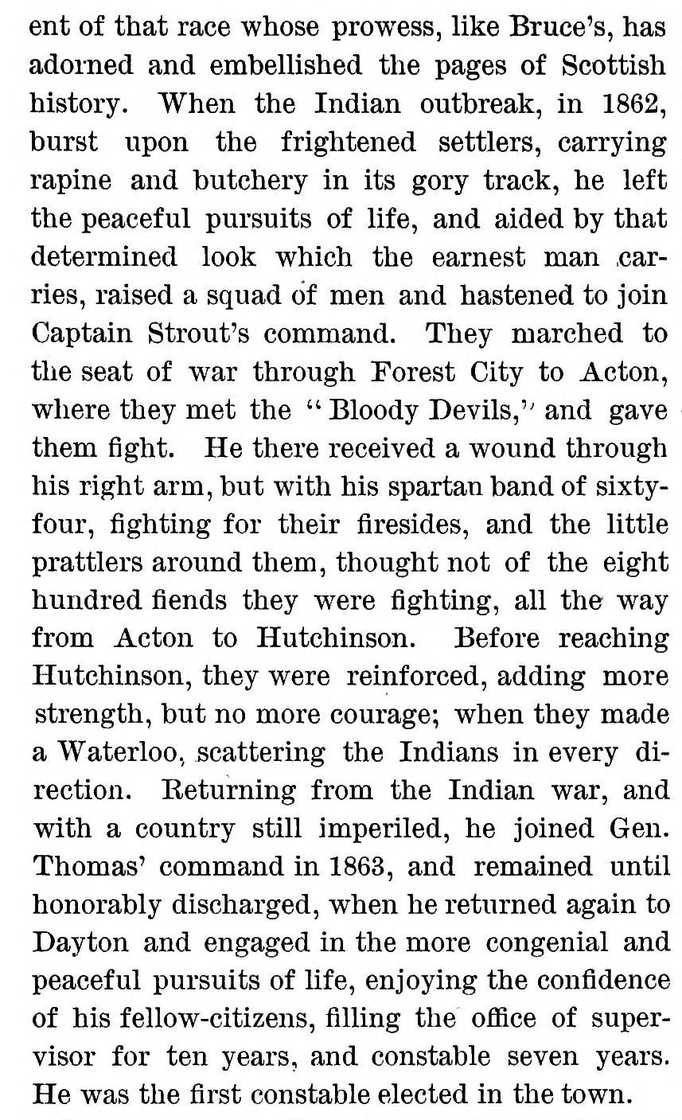
History of Hennepin County and the City of Minneapolis, 1881, printed p. 303.
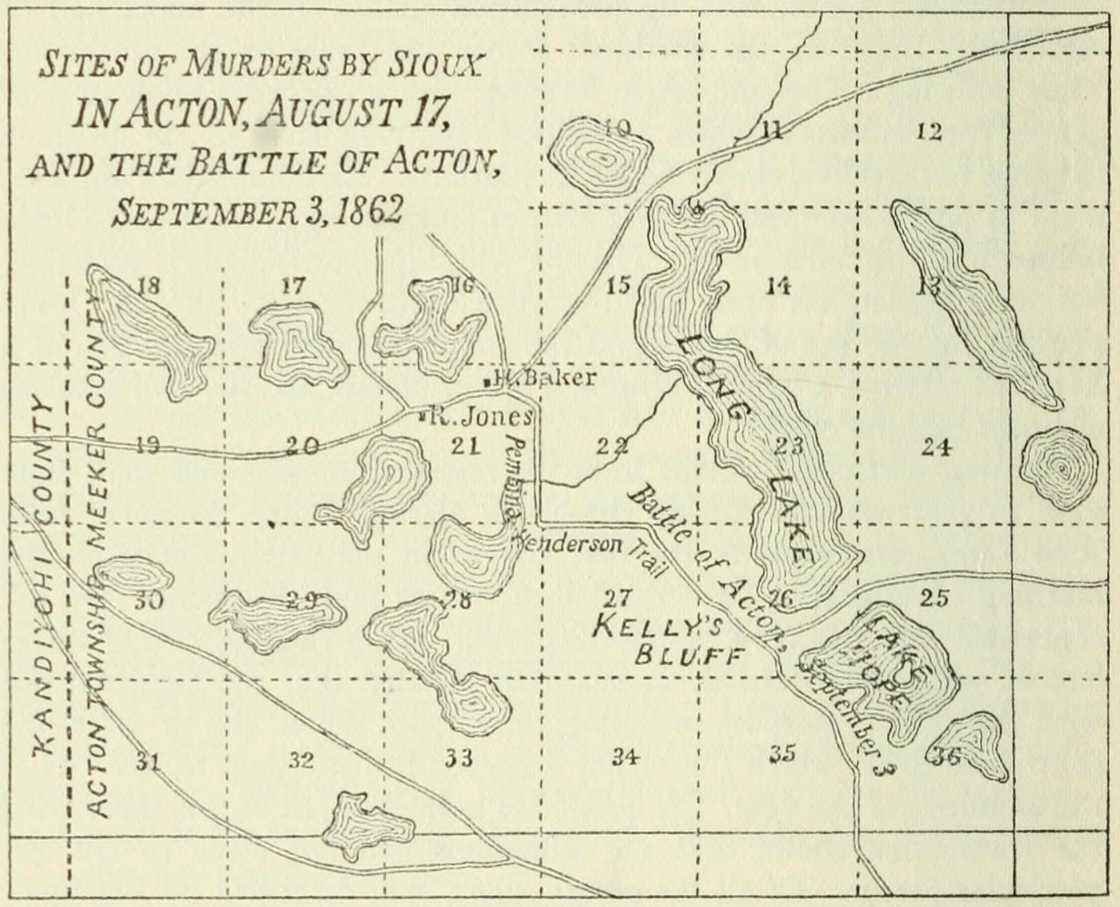
William Watts Folwell, A History of Minnesota, vol. II, p. 416, 1924. Public domain.
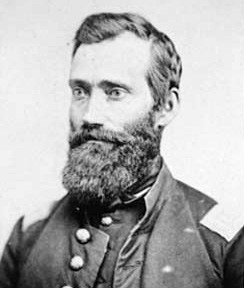
Minnesota Historical Society, via Wikimedia Commons. Public domain.
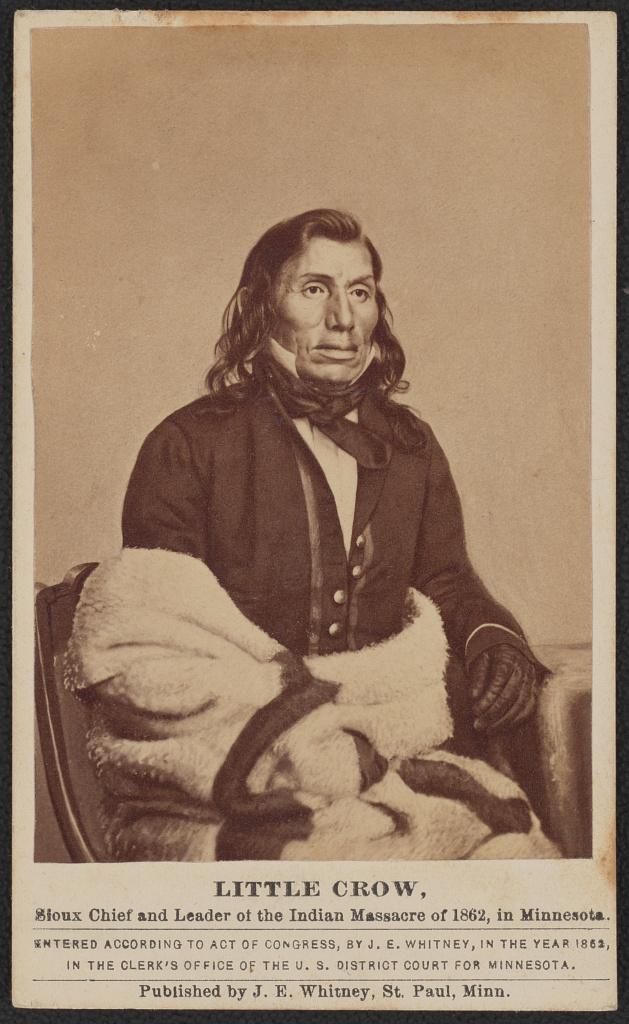
Joel E. Whitney. Library of Congress, item 2021630471. No known restrictions.
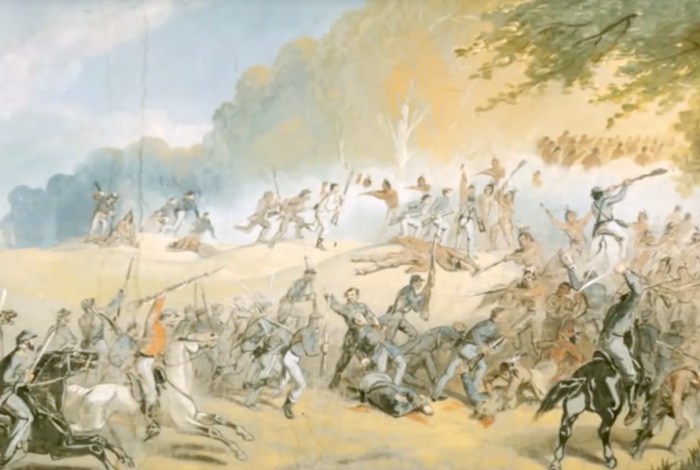
Minnesota Historical Society, via Wikimedia Commons. Public domain.
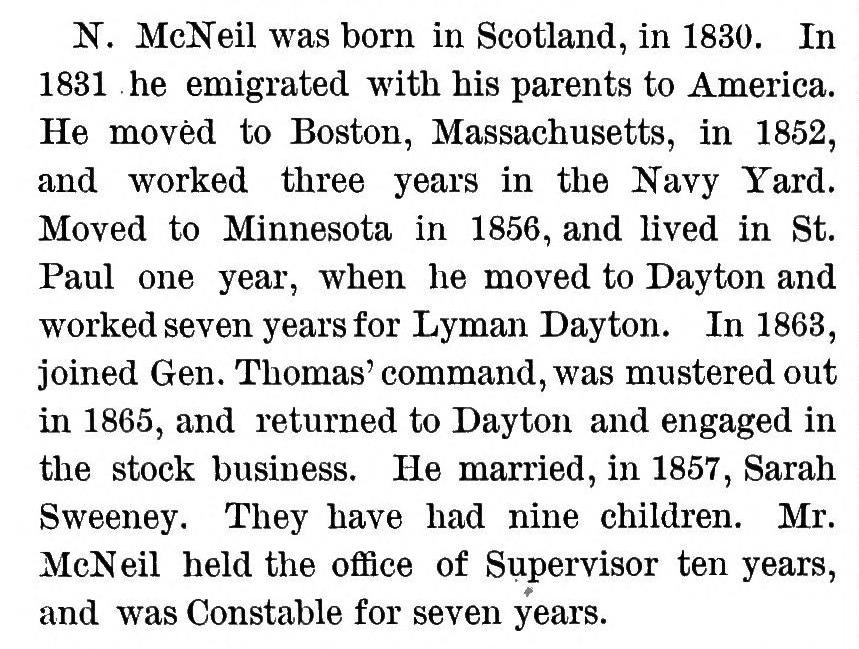
History of Hennepin County and the City of Minneapolis, 1881, printed p. 306.
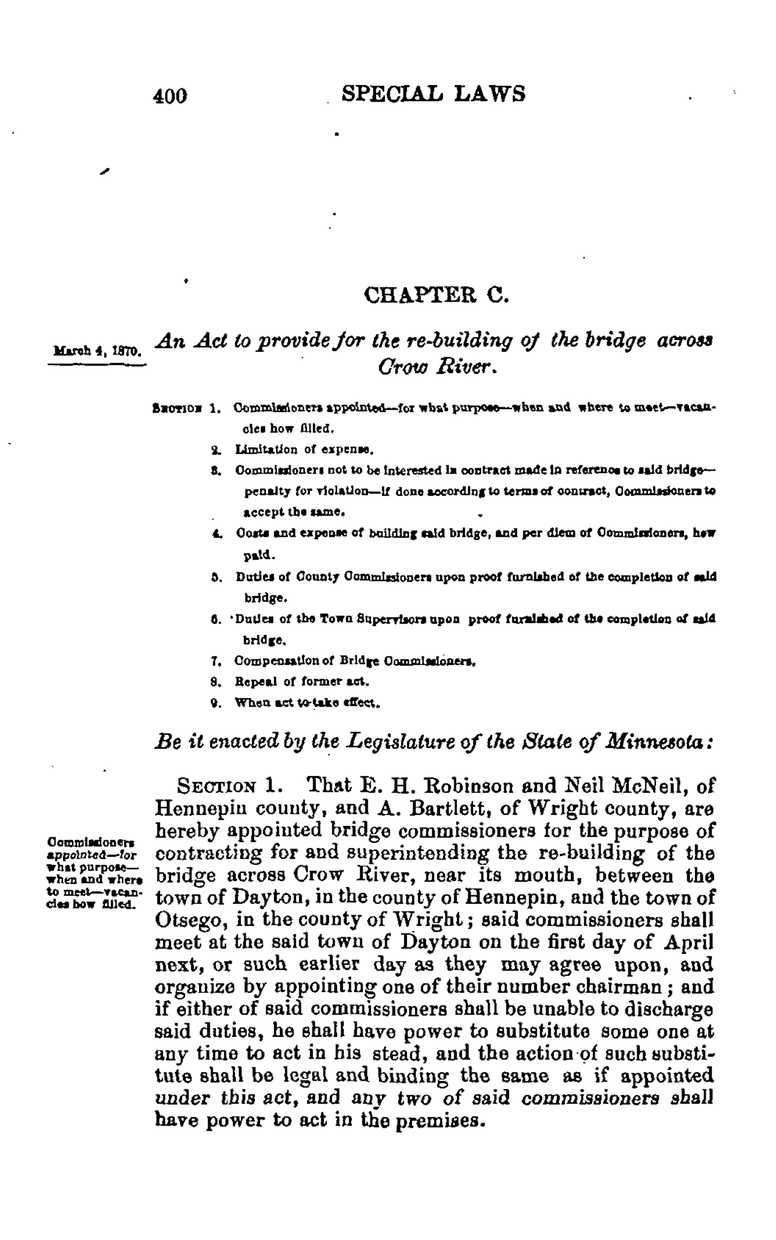
Minnesota Special Laws of 1870, ch. 100, printed p. 400. Office of the Revisor of Statutes.
Branch, rank and assignments
Civilian volunteer and squad leader with Captain Richard Strout’s Company B, later assigned to the 9th Minnesota Volunteer Infantry, in the U.S.–Dakota War of 1862.
Service dates
August to September 1862, the period documented for his civilian volunteer service.
Service story
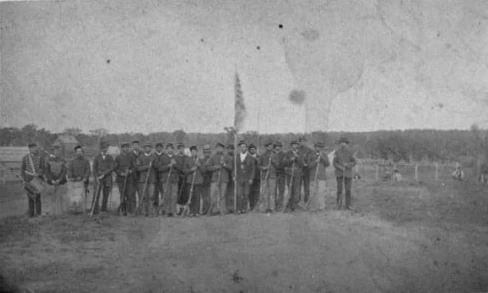
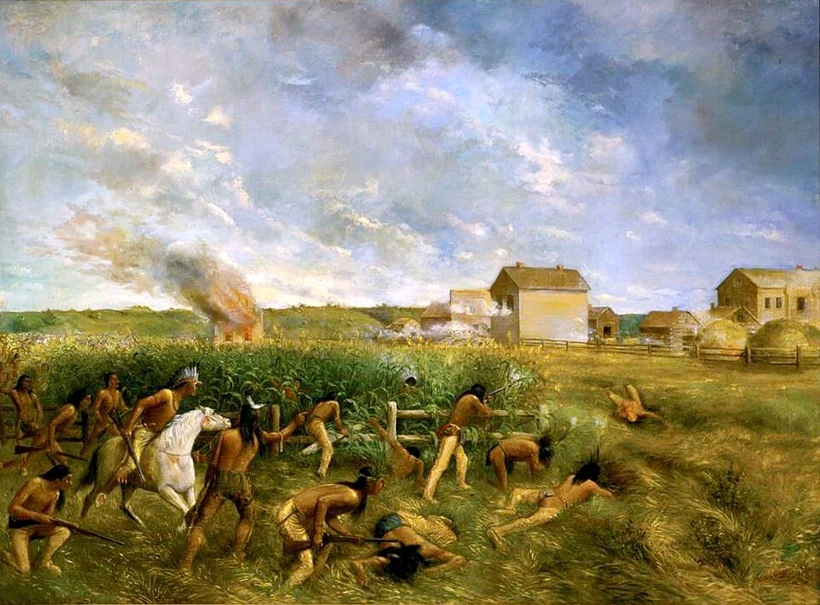
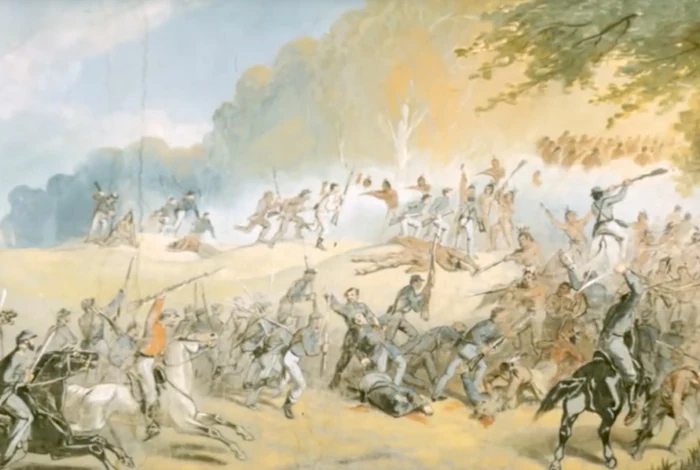
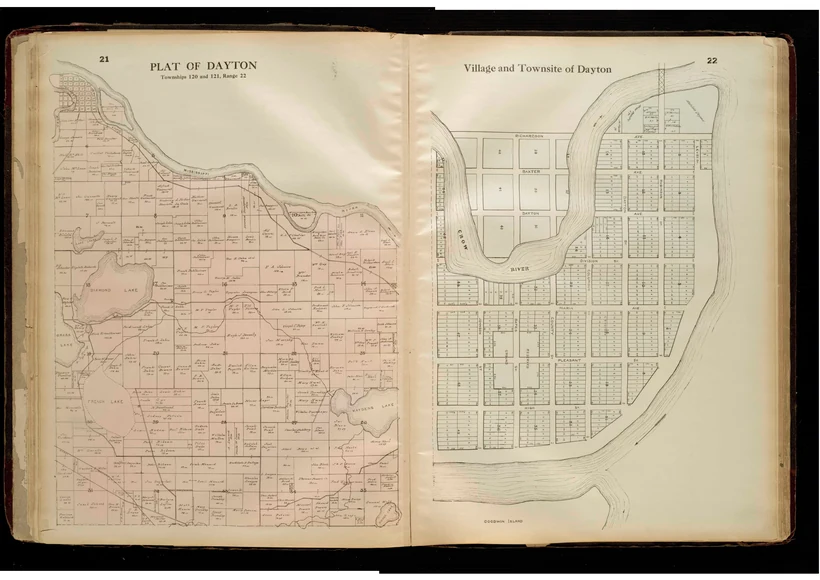
Neil McNeil farmed in Dayton, Minnesota. The 1881 county biography describes him working in a Boston navy yard before moving to Minnesota in the 1850s. He spent time in St. Paul, then moved to Dayton, worked for Lyman Dayton and went into the livestock business. The biography names Sarah Sweeney as his wife and records ten years as town supervisor and seven as constable. In August 1862, fighting spread through the Minnesota River region after years of Dakota land loss, food shortages and delayed treaty payments. McNeil recalled answering Captain Richard Strout’s request for help around August 20. According to the account he gave Congress, Company B divided its force into squads of about fifteen men and he commanded one. The congressional report describes him serving alongside U.S. soldiers under U.S. officers. The makeup of his individual squad remains unknown. Minnesota’s regimental history records that forty company men reported for the march and twenty citizens joined them. Its published roster lists McNeil in the citizen company attached to Strout’s Company B and records his arm wound. Early records associate Strout’s company with the Tenth Minnesota. On September 18, Minnesota formally assigned it to the 9th Minnesota Volunteer Infantry. The congressional reports spell the captain’s surname Stout. Minnesota’s military records and Strout’s own report give the spelling Strout. At the Battle of Acton on September 3, 1862, Dakota fighters confronted Strout’s soldiers and civilian volunteers near Long Lake in Meeker County. The county’s historical marker names Dakota leaders Taoyateduta, also known as Little Crow, and Tunkanhnamani, also known as Walker Among Stones. Strout’s force withdrew toward Hutchinson. This was a separate engagement from the August 17 killings at Acton. McNeil was shot in the arm during the September fight. The House and Senate reports describe a left-arm wound near the shoulder that damaged a tendon and made farm labor difficult. N. R. Thompson and Jacob A. Wolverton corroborated his account in sworn statements. William Reems testified that McNeil was wounded under the circumstances he described. The 1881 county history gives the right arm and says McNeil raised a squad before joining Strout. The state roster records the wound without naming the side. The county biography also reports that McNeil joined a General Thomas’s command in 1863 and was mustered out in 1865. An individual military record confirming that later service remains unverified. In 1870, Minnesota named McNeil of Hennepin County to a three-person commission to oversee rebuilding the Crow River bridge between Dayton and Otsego. Pension examining surgeons documented and rated McNeil’s wound. The Pension Bureau could not allow the claim because he had served as a civilian volunteer and had not been enlisted or mustered into federal service for the 1862 episode. Minnesota Representative Loren Fletcher introduced H.R. 1820 in December 1895. The House Committee on Invalid Pensions recommended passage in March 1896, and the Senate Committee on Pensions followed in June. The House passed the bill on May 18, 1896, and the Senate passed it on December 14. President Grover Cleveland approved the Neil McNeil pension act on January 13, 1897. The act directed the Secretary of the Interior to place McNeil, identified as a resident of Dayton, Hennepin County, Minnesota, on the pension roll and pay him twelve dollars per month under the pension laws.
Service timeline
Around August 20, 1862 — Joined Strout’s force as a civilian volunteer and commanded a squad of about fifteen men, according to his account to Congress. September 3, 1862 — Wounded in the arm at the Battle of Acton. Strout’s force withdrew toward Hutchinson. September 18, 1862 — Minnesota formally assigned Strout’s Company B to the Ninth Minnesota Volunteer Infantry. March 4, 1870 — A Minnesota law appointed McNeil to the Crow River bridge commission. December 16, 1895 — Representative Loren Fletcher introduced H.R. 1820. March 3, 1896 — House Report 54-601 recommended granting his pension. May 18, 1896 — The House passed H.R. 1820 after amending it to specify his Dayton residence. June 2, 1896 — Senate Report 54-1101 recommended passage. December 14, 1896 — The Senate passed the bill. January 13, 1897 — The president signed the private act granting twelve dollars per month. The House recorded the announcement the next day.
Honors and recognition
Congress recognized McNeil’s injury in service through the private act approved January 13, 1897. The law authorized twelve dollars per month and appears in 29 Statutes at Large 762, chapter 17.
Service references
- Neil McNeil pension act Wars and historical events
Enacted law, 29 Stat. 762, chapter 17. President Cleveland approved the act on January 13, 1897.
- Battle of Acton Wars and historical events
House Report 54-601 preserves McNeil’s account of squad command, the sworn witness statements and the findings about his wound.
- 9th Minnesota Volunteer Infantry Military units
Minnesota’s state roster, volume I, printed page 771, names McNeil in the citizen company attached to Captain Strout’s Company B.
- 9th Minnesota Volunteer Infantry Military units
The state regimental history, printed pages 416–417, documents the company’s formation, the citizen volunteers and its assignment to the Ninth.
- Battle of Acton Wars and historical events
The Meeker County marker transcription identifies the date and place of the engagement and names the Dakota leaders.
- Dayton, Minnesota Places
The 1881 county history describes McNeil’s local life and his service. Page 303 gives its account of the battle, and page 306 gives his biographical entry.
- Dayton, Minnesota Places
Minnesota Special Laws of 1870, chapter 100, names McNeil to the commission to rebuild the Crow River bridge.
- Neil McNeil pension act Wars and historical events
Senate Report 54-1101 adopted the House report and recommended passage on June 2, 1896.
- Neil McNeil pension act Wars and historical events
The Congressional Record for May 18, 1896 documents passage in the House.
- Neil McNeil pension act Wars and historical events
The Congressional Record for December 14, 1896 documents passage in the Senate.
- Neil McNeil pension act Wars and historical events
The House proceedings for January 14, 1897 record the announcement that the president signed H.R. 1820.
Related reading
The War with the Sioux by Karl Jakob Skarstein