Dakota confinement and forced removal
November 1862–1863
The end of fighting was followed by executions, the confinement of Dakota families at Bdóte and their forced removal from Minnesota.
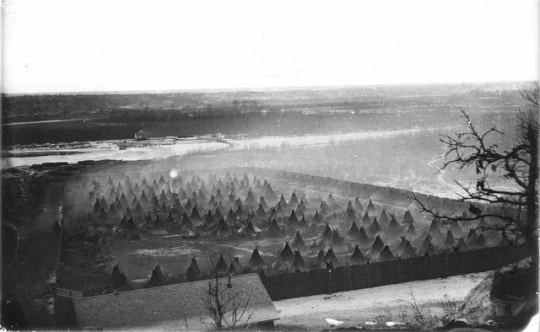
Benjamin Franklin Upton photographed the Dakota concentration camp on the river flats below Fort Snelling around 1862–63.
Benjamin Franklin Upton / Minnesota Historical Society · Minnesota Historical Society identifies the photograph as public domainHistory
The forced march
Lieutenant Colonel William R. Marshall and detachments of the Fifth and Eighth Minnesota escorted more than 1,600 Dakota people from the Lower Agency to Fort Snelling. Most were women, children and older people. The campaign map connects documented waypoints. Exact paths and crossings differ among accounts.
Mankato and Bdóte
The military executed 38 Dakota men in Mankato on December 26 following a military commission and presidential review. The army confined other Dakota people below Fort Snelling, where disease and harsh conditions killed many. Sixth, Seventh, and Tenth Minnesota soldiers guarded the stockade.
Removal
Congress annulled Dakota treaties and passed legislation to expel Dakota people from their homeland. In spring 1863 the army took the people held at Fort Snelling to Crow Creek. Other prisoners were held in Davenport, Iowa. The Dakota prisoner-of-war letters record how people maintained family and community ties through confinement and exile.
Timeline
November 7, 1862Forced removal begins at the Lower Agency
U.S. troops escorted Dakota people, mostly women, children and older people, from the Lower Agency toward Fort Snelling.
November 1862Henderson on the forced march
Henderson is a documented location on the march to Fort Snelling. The line follows known stops, with the paths between them approximated.
November 13, 1862–spring 1863Confinement at Fort Snelling
The military confined more than 1,600 Dakota people, including many who had taken no part in fighting. Disease and harsh conditions killed many during the winter.
December 26, 1862Executions at Mankato
The U.S. military executed 38 Dakota men after military trials and a review by President Abraham Lincoln. The marker locates today’s Reconciliation Park.
Spring 1863Expulsion from Minnesota
Congress annulled treaties and ordered Dakota removal. The army took Dakota people held at Fort Snelling to Crow Creek in Dakota Territory. Many other Dakota people were already in exile.
Images and records
PhotographDakota concentration camp below Fort Snelling
Benjamin Franklin Upton photographed the Dakota concentration camp on the river flats below Fort Snelling around 1862–63.
Benjamin Franklin Upton / Minnesota Historical Society · Minnesota Historical Society identifies the photograph as public domain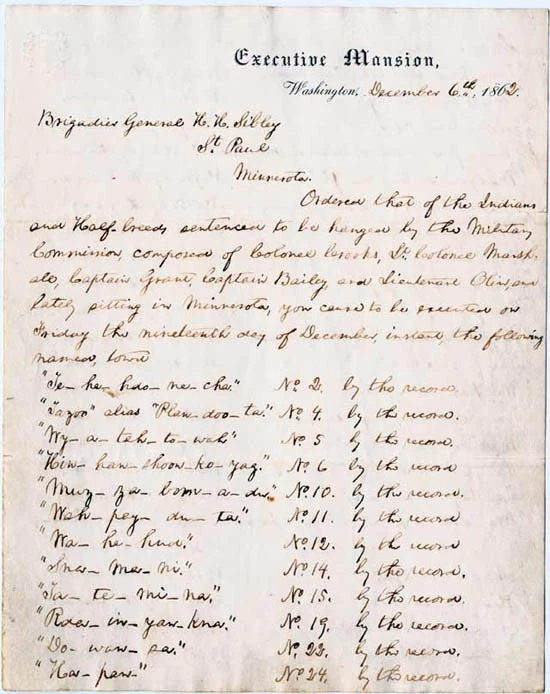
DocumentLincoln's December 6 order
Lincoln directed Henry Sibley to carry out 39 sentences. One man was later reprieved. The archive shows all pages of the order.
Abraham Lincoln · Edward D. Neill and Family Papers, Minnesota Historical Society · U.S. public domainRelated history
-
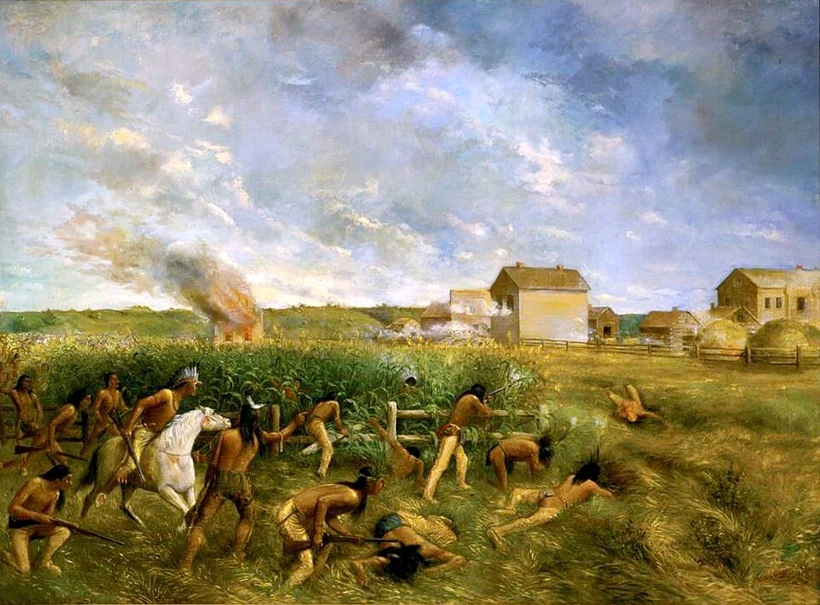 U.S.–Dakota War of 1862
-
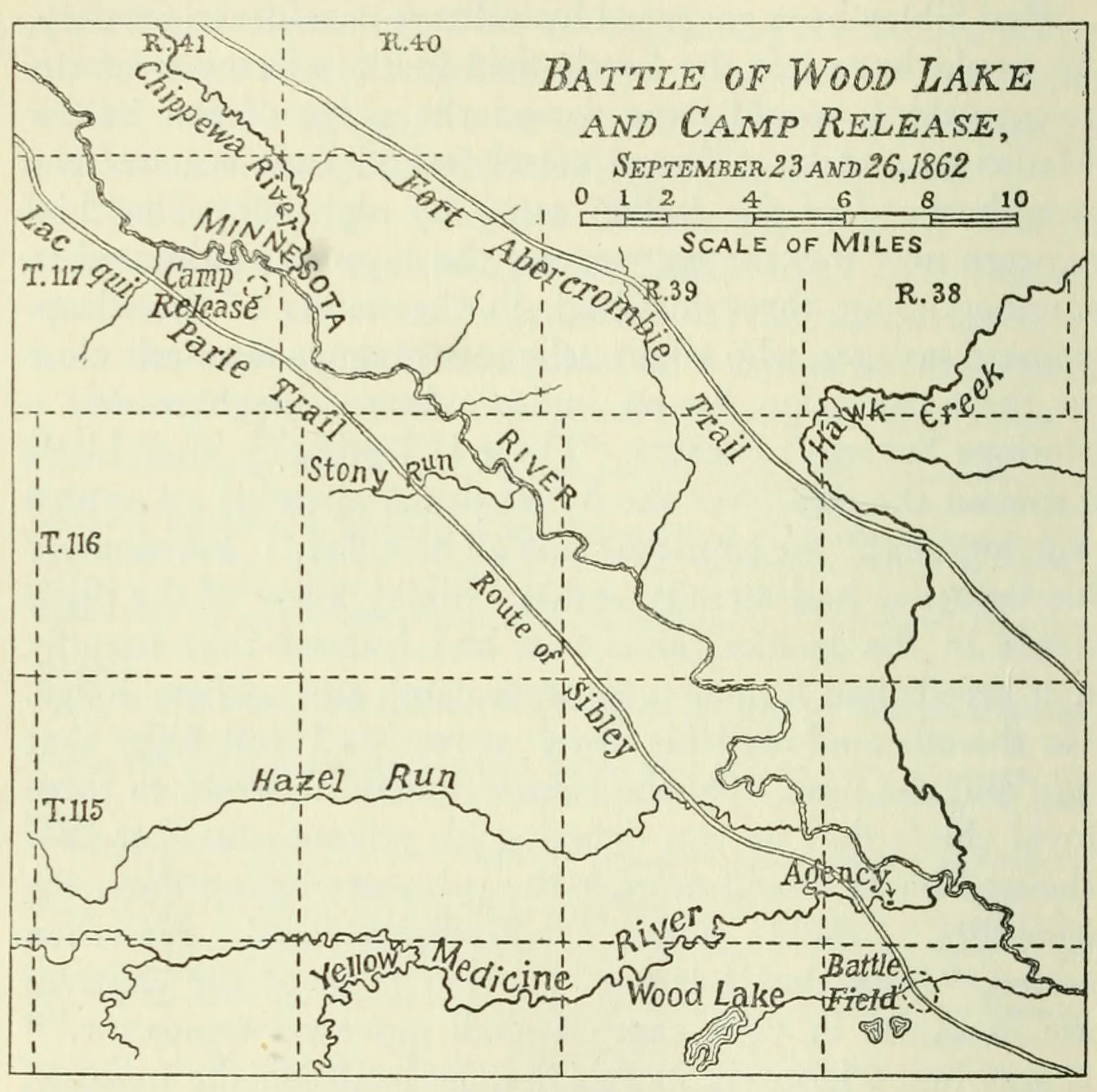 Camp Release
-
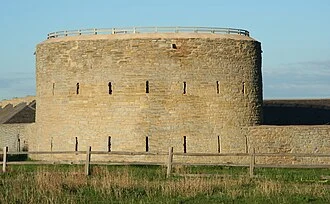 Historic Fort Snelling
-
 Fifth Minnesota Volunteer Infantry
-
 Sixth Minnesota Volunteer Infantry
-
 Seventh Minnesota Volunteer Infantry
-
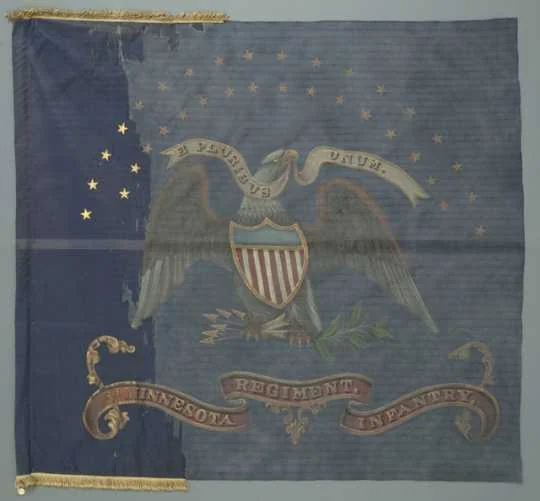 Eighth Minnesota Volunteer Infantry
-
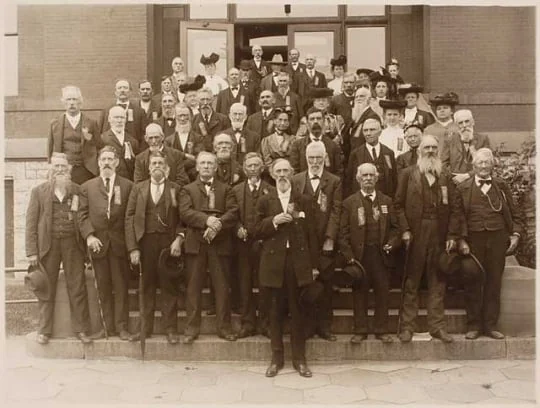 Tenth Minnesota Volunteer Infantry
-
 Minnesota
-
 Lieutenant Colonel (U.S. Army, Marine Corps, and Air Force)
Sources
- Historic site interpretation · Minnesota Historical Society Fort Snelling and the U.S.–Dakota War
-
Route research and oral history · University of Minnesota Digital Conservancy
The Dakota forced march to Fort Snelling
Documents known stops, differences in reported paths, and Dakota testimony.
- Dakota-led interpretation · Bdóte Memory Map Bdóte and the Dakota homeland
- Military dispatch · Abraham Lincoln Papers, Library of Congress Sibley’s December 27 telegram to Lincoln
- Dakota correspondence · Minnesota Historical Society Dakota prisoner-of-war letters
- Federal statute · United States Statutes at Large Dakota removal act of March 3, 1863, 12 Stat. 819