Eighth Minnesota Volunteer Infantry
August 1862–July 1865
The Eighth Minnesota defended local posts during and after the 1862 war, escorted Dakota families to Fort Snelling, and later served in Sully’s Dakota Territory campaign and in the South.
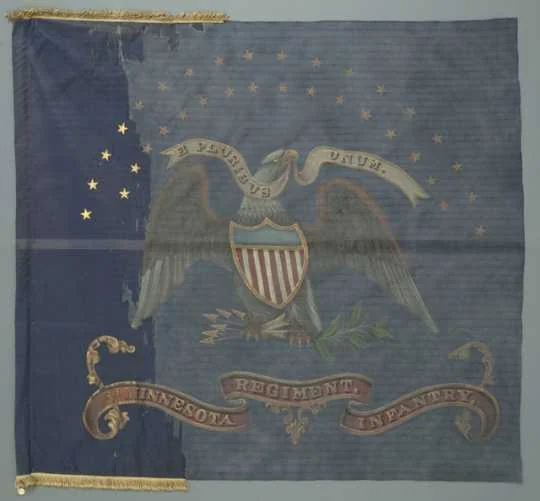
Civil War battle flag of the Eighth Minnesota Volunteer Infantry.
Historic regimental flag, public domain · Public domain
History
Early guard duty and forced removal
The Dakota Rifles, a predecessor of Company F, guarded New Ulm. Later in the fall, troops from the Eighth and Fifth escorted Dakota families from the Lower Agency to Fort Snelling under Lieutenant Colonel William R. Marshall. The prisoners were mostly women, children, and elders.
Mounted service under Alfred Sully
After frontier duty through 1863, the Eighth went west with Alfred Sully in 1864 as mounted infantry. It fought at Killdeer Mountain on July 28 and in the Badlands in August. The army attacked a large camp at Killdeer Mountain where Dakota, Lakota, and Yanktonai families were living.
Tennessee and North Carolina
The regiment went south in fall 1864. It fought near Murfreesboro in December 1864, then served in the North Carolina campaign, including Wise’s Forks and the advance to Goldsboro. The Eighth mustered out in July 1865.
Timeline
August–November 1862New Ulm guard duty
The Dakota Rifles guarded New Ulm and later became part of the Eighth.
November 1862The forced march
Troops from the Eighth and Fifth escorted Dakota families to Fort Snelling.
July–August 1864Killdeer Mountain and the Badlands
The Eighth served as mounted infantry in Sully’s expedition.
Sully’s 1864 expedition and the Battle of Killdeer MountainView Alfred Sully’s 1864 route
December 1864Fighting near Murfreesboro
The regiment took part in operations near the town and its railroad.
March 1865Wise’s Forks
The Eighth fought in North Carolina and mustered out in July.
Images and records
PhotographEighth Minnesota Volunteer Infantry
Civil War battle flag of the Eighth Minnesota Volunteer Infantry.
Historic regimental flag, public domain · Public domain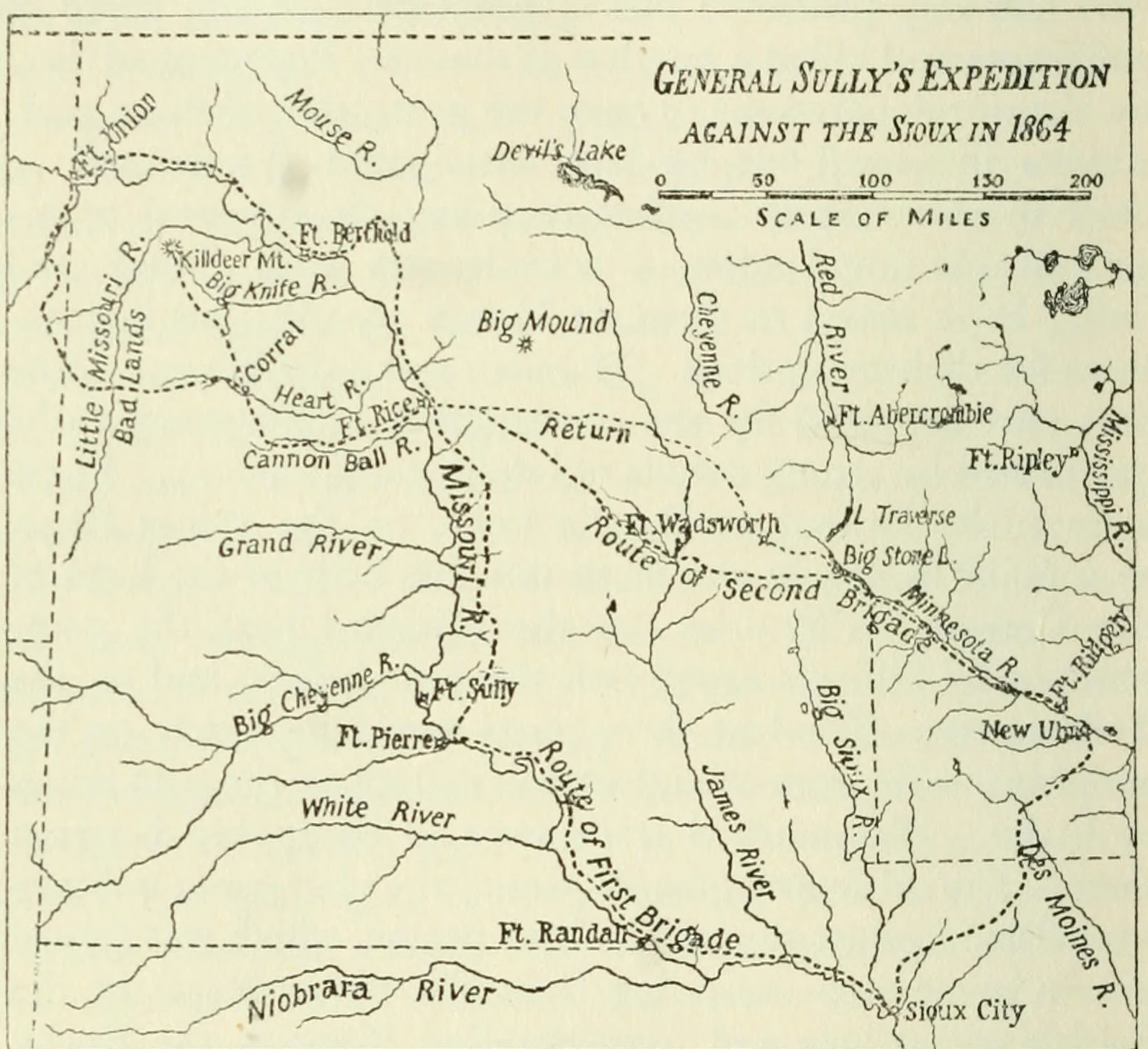
MapAlfred Sully’s 1864 route
The map follows the expedition from the Missouri River to Killdeer Mountain and west through the Badlands.
Warren Upham, in William Watts Folwell’s A History of Minnesota, vol. II (1924), p. 296 · Public domainRelated history
-
 American Civil War
-
 U.S.–Dakota War of 1862
-
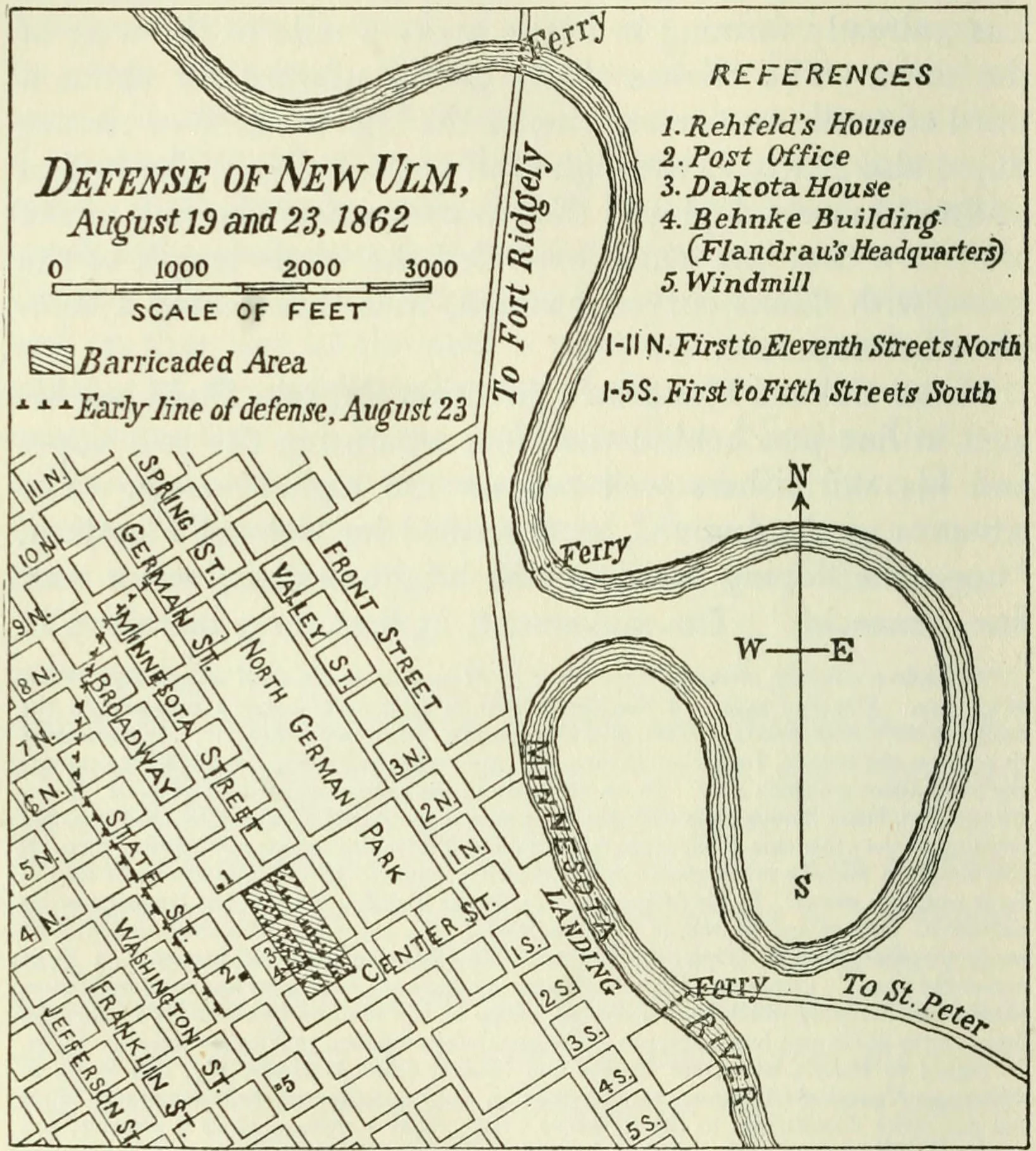 Battles of New Ulm
-
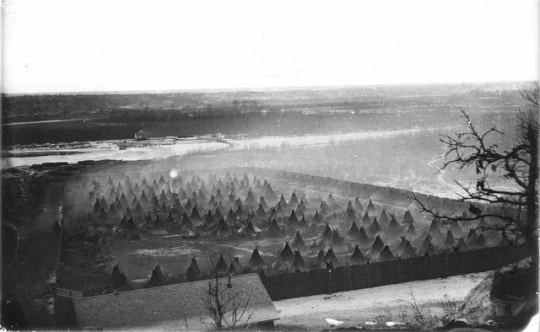 Dakota confinement and forced removal
-
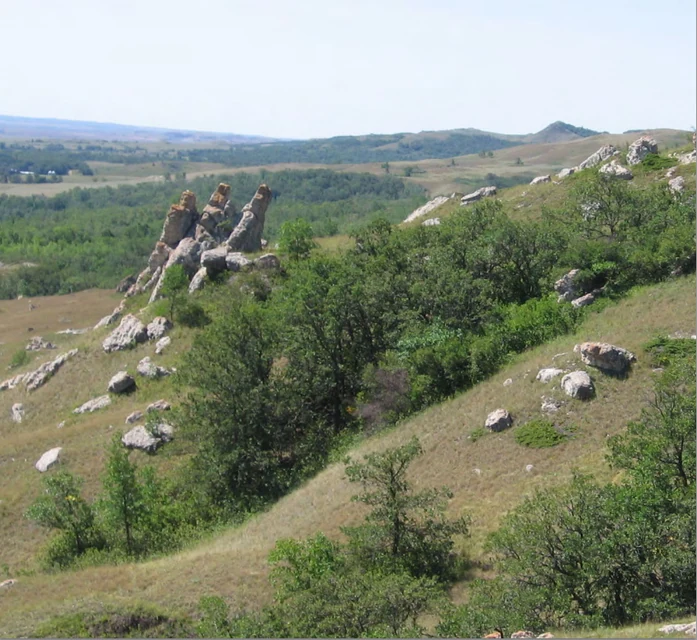 Sully’s 1864 expedition and the Battle of Killdeer Mountain
-
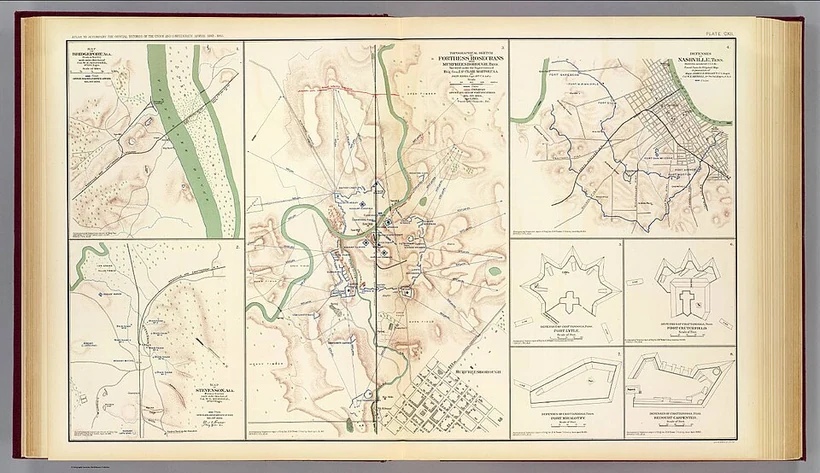 Overall’s Creek and Wilkinson’s Pike
-
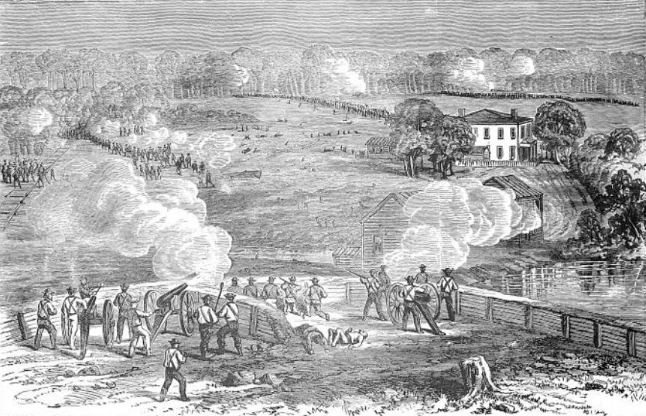 Battle of Wyse Fork
-
 Minnesota
-
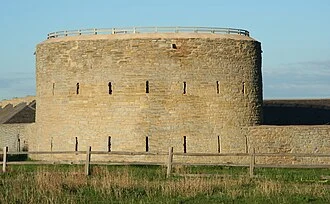 Historic Fort Snelling
-
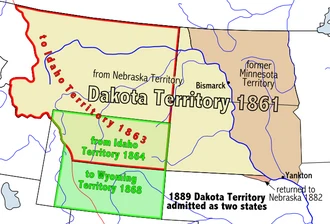 Dakota Territory
-
 Lieutenant Colonel (U.S. Army, Marine Corps, and Air Force)
-
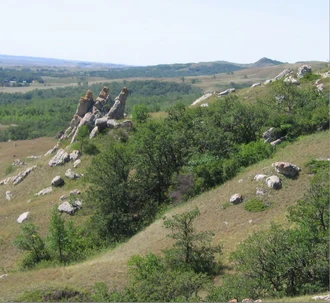 Killdeer Mountain
-
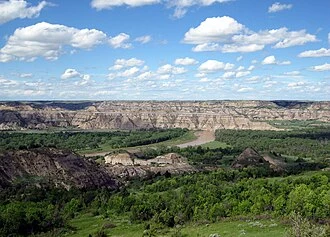 North Dakota Badlands
-
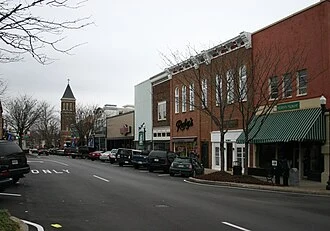 Murfreesboro, Tennessee
-
 North Carolina
-
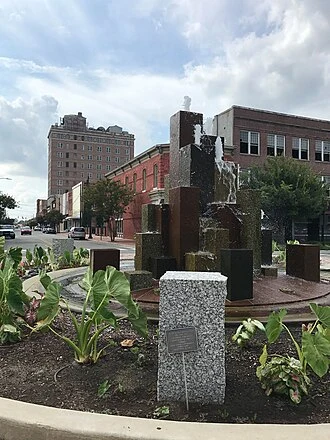 Goldsboro, North Carolina
Sources
- Archival research guide · Minnesota Historical Society Eighth Minnesota Infantry records
- Historic site interpretation · Minnesota Historical Society Fort Snelling and the U.S.–Dakota War
-
Route research and oral history · University of Minnesota Digital Conservancy
The Dakota forced march to Fort Snelling
Documents known stops, differences in reported paths, and Dakota testimony.
- Historic site interpretation · State Historical Society of North Dakota Killdeer Mountain and White Bull’s account
- Historical map, 1924 · William Watts Folwell, A History of Minnesota, vol. II, p. 296 Alfred Sully’s 1864 route
- Military service summary · National Park Service Eighth Minnesota Infantry service record
Veteran roster
Service references come from the wall inscriptions and approved public profiles.
1 veteran
| Veteran | Rank or rating | Military unit | Service period | Decorations, bases and places |
|---|---|---|---|---|
| Olof Eastlund Photographed face 12 · row 9, position 1 Highlight on the wall | Private (U.S. Army) | Eighth Minnesota Volunteer Infantry | American Civil War | — |