Seventh United States Army
1943–1946, 1946–1947, reactivated in 1950
The Seventh Army led campaigns from Sicily to southern Germany in World War II. Reactivated in 1950, it directed tactical forces based in West Germany for the defense of NATO's central front.
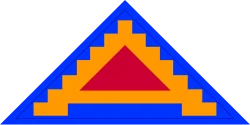
Pyramid-shaped shoulder sleeve insignia of Seventh Army.
U.S. Army, public domain · Public domainHistory
Sicily to southern Germany
The Seventh Army headquarters activated off Sicily on July 10, 1943. It led American forces in the Sicily campaign and on August 15, 1944, landed troops in southern France in Operation Dragoon. The advance north along the Rhône helped link Allied operations in southern and northern France.
Under the Sixth Army Group the Seventh Army fought through the Vosges and Alsace, crossed into Germany and advanced through southern Germany in 1945. The Army inactivated the headquarters in Germany in 1946 and briefly reactivated it in Atlanta.
A field army for NATO
In November 1950 the Army reactivated the Seventh Army in Germany under Lieutenant General Manton Eddy. The command based itself at Stuttgart and took responsibility for the 1st Infantry Division and remaining U.S. Constabulary elements. Additional American divisions arrived in 1951. The headquarters organized combat and support units so they could operate as a field army within the allied defense plan.
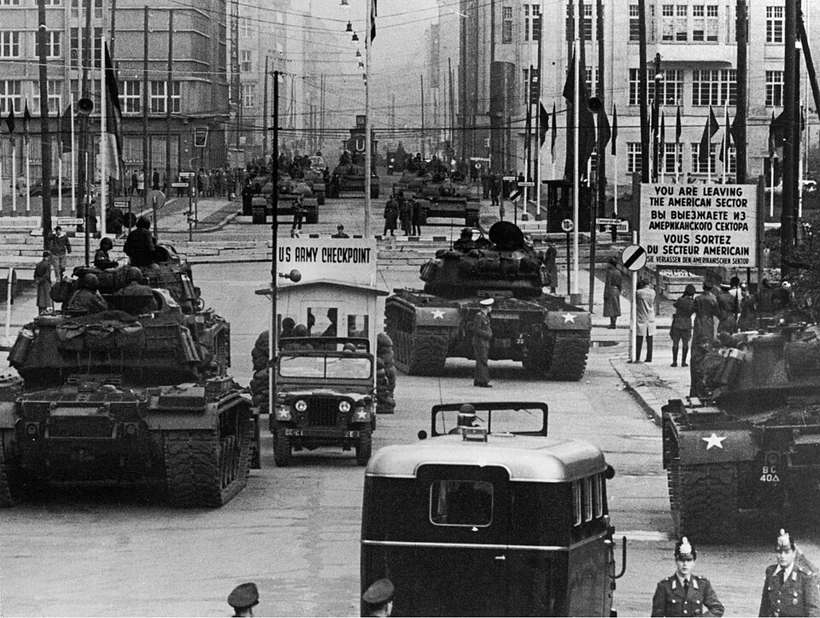
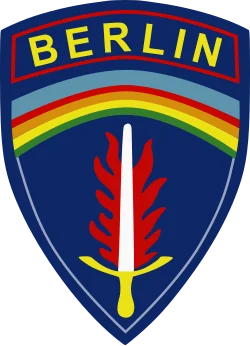
Training addressed conventional combat and the possibility of nuclear weapons on the battlefield. During the late 1950s the Army reorganized infantry formations into smaller battle groups, a system commonly called Pentomic. By the early 1960s the Army moved toward a brigade-based structure with more flexibility. During the Berlin crisis, keeping a force available to defend West Germany shaped decisions about reinforcing the separate American garrison inside Berlin.
Timeline
July 10, 1943Headquarters activates off Sicily
The Seventh Army led American troops in the Sicily campaign.
August 15, 1944Operation Dragoon
The army landed troops in southern France and advanced north.
November 24, 1950Seventh Army reactivates in Germany
Its new headquarters at Stuttgart oversaw tactical formations in the developing NATO defense.
1961–1962NATO readiness and the Berlin crisis
The Seventh Army's defense commitments affected how Army leaders reinforced West Berlin.
Images and records
InsigniaPyramid-shaped shoulder sleeve insignia of Seventh Army
Pyramid-shaped shoulder sleeve insignia of Seventh Army.
U.S. Army, public domain · Public domainRelated history

Sources
-
Official lineage · U.S. Army Center of Military History
Armies, Corps, Divisions, and Separate Brigades
See the Headquarters and Headquarters Company, Seventh Army entry, printed page 28.
- Official history · U.S. Army Center of Military History World War II European-African-Middle Eastern Theater campaign summaries
- Official military history · U.S. Army Center of Military History Riviera to the Rhine
- Official military history · U.S. Army Center of Military History Forging the Shield: The U.S. Army in Europe, 1951–1962
- Official history · U.S. Army Transportation Corps 9th Transportation Battalion history
Veteran roster
Service references come from the wall inscriptions and approved public profiles.
1 veteran
| Veteran | Rank or rating | Military unit | Service period | Decorations, bases and places |
|---|---|---|---|---|
| Richard Popp Photographed face 12 · row 7, position 5 Highlight on the wall | Specialist Five (U.S. Army) | Seventh United States Army | — | Germany |